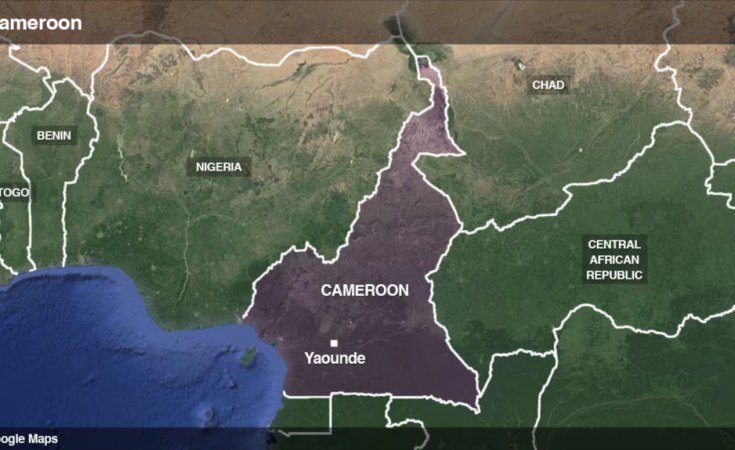
Eight children were killed in an attack on a remote village in Cameroon's North West has shocked the nation. But there appears no end in sight to the separatist conflict in the Anglophone regions.
Saidu Afiyatu's journey from Cameroon's capital, Yaounde back to his village in Gidado in the North West region, ended in unimaginable horror.
On the morning of January 14, he returned to find his house burnt to the ground and two of his brothers murdered.
"I never ever suspected a day like this would come, when people with whom we have been living together for decades would do this to us," Afiyatu told DW.
Follow us on WhatsApp | LinkedIn for the latest headlines
He was not alone in his loss. According to village Chief Tata Ndzisshoto, suspected separatist fighters swept through the community before dawn, killing 14 people, including eight children. About 20 others were wounded and have been receiving treatment in hospital.
Several homes were razed in the attack on the remote settlement, situated about 150 kilometers (93 miles) from Bamenda, which regional governor Adolphe Lele L'Afrique described as "barbaric."
Killings part of a wider conflict in Cameroon
The attack pulls into focus the brutality of the wider conflict that has plagued Cameroon's Anglophone region. Since 2017, by conservative estimates, some 6,500 people have been killed, and over a million have been displaced, according to the International Crisis Group.
After teachers and lawyers from Cameroon's two English-speaking regions went on strike over the use of French in Anglophone schools and courts, the Yaounde-based government took a hardline. The peaceful strikes deteriorated into violent confrontation.
Observers say the turmoil provided fertile ground for a separatist faction to grow in both size and significance, with more English speakers demanding independence, and the creation of a separate nation to be called Ambazonia.
Efforts at ending the crisis, including what the government described as "a Major National Dialogue" organized in 2019, have so far failed to restore the nation to peace.
No peace without justice
"All we want is a return to peace," village chief Tata Ndzisshoto told DW, adding: "I do not know how that will be done, but I know that when people can move about their lives without fear of being attacked, kidnapped or even killed, then I would say we have peace."
Kinang Derick Fai, Conflict Research and Activity Implementation Coordinator at the Yaounde-based NGO, Defyhatenow, says a viable path to peace begins with addressing the root causes of the conflict.
"The Anglophone conflict is too complex for a simple solution. It arises from poorly managed diversity, and we are now caught in a conflict trap where no single action can bring peace," he told DW.

Sign up for free AllAfrica Newsletters
Get the latest in African news delivered straight to your inbox
"We must honestly identify and resolve the core grievances that fuel the conflict. Without this, any attempt at peace will fail," he adds.
Kinang believes peace will not be sustainable without justice.
"Given the deep wounds inflicted on the people, mere forgiveness is insufficient. A formal stage of transitional justice is essential — one where those who committed grievous atrocities are held accountable," Kinang said.
Edited by: Cai Nebe
