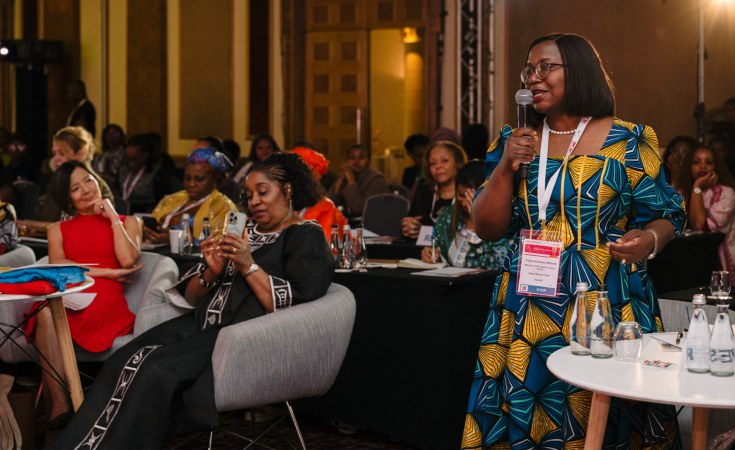
Dr Tukiya Kankasa-Mabula on building systems, handing over, and the next chapter for the ELG
At the Women Creating Wealth Entrepreneurs Summit, Dr Tukiya Kankasa-Mabula sensed a generational shift: women were confident and ambitious, "ready for a revolution." On a panel examining where capital sits, how it is allocated, and who is excluded, she made a simple case: inclusion improves when systems change, not when intentions sound good. "It's not automatic that being a woman makes you gender-sensitive," she said. "The ELG mindset harnesses women's leadership for inclusion." Her call was practical: keep leaders approachable across generations and scale WCW so more women gain skills, networks, and visibility.
As the outgoing Chairperson of the Graça Machel Trust's Expert Leaders Group (ELG), she drew a clear line from convening to outcomes. In 2020, Mrs Graça Machel convened a small team that comprised Dr Monique Nsanzabaganwa, an eminent Rwandan economist, at the time Deputy Governor at the National Bank of Rwanda, Dr Charity Dhliwayo, former Deputy Governor of the Reserve Bank of Zimbabwe and Dr Tukiya to co-create the ELG. The work began with national convenings in at least seven countries, then moved to regional platforms: the East African Community (EAC), the Southern African Development Community (SADC), and the Economic Community of West African States (ECOWAS).
This approach builds on an earlier GMT story. More than two decades ago, the New Faces, New Voices (NFNV) Zambia chapter grew out of an early engagement Mrs Graça Machel held with Zambian leaders. Its founding members, including Dr Tukiya, came largely from the central bank and the wider financial sector, establishing a durable way of working that continues today.
Dr Kankasa-Mabula set out practical steps for systems change: run a gender audit to identify gaps; create a permanent Gender Specialist role within the central bank; and encourage commercial banks and other financial service providers to use the International Labour Organization's FAMOS Check (Female and Male Operated Small Enterprises); and, ensure the collection of sex-disaggregated data. so that policies, products, and communication meet women's needs. She noted her contribution to a 2012 Making Finance Work for Africa Policy Brief on women's financial inclusion and put the principle plainly: "Systems should be fair, transparent, and responsive."
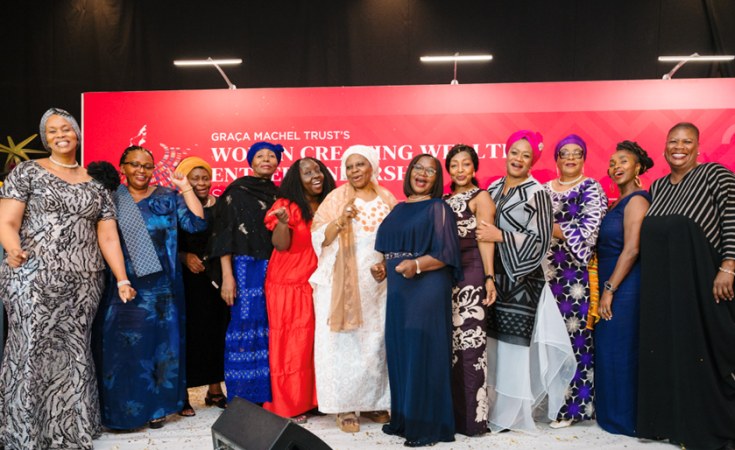
Leadership, she stressed, is a relay. The ELG's convening role is intentionally rotational and recognises country champions who drive progress at home. "Recognition matters; we should correct omissions quickly and graciously," she said, acknowledging Ms Gail Makenete, Second Deputy Governor of the Central Bank of Lesotho, for her year of convenorship and welcoming Mrs Aishah Ahmad's leadership for the next phase.
Her handover is a continuation, not a pause. Aishah Ahmad now carries the work forward--keeping women's leadership central on national and continental agendas, strengthening links across GMT networks, and aligning the financial sector from within. The spine remains the same: convene, listen, use data, and measure what matters.
Dr Kankasa-Mabula sees the ELG convenings as more than just talk shops; they are where policy becomes implementable. That is how regional work gains traction and how national efforts learn from one another. The funding-landscape discussion underscored a practical message: to widen participation, the system must reduce friction and sharpen accountability, from boardrooms to branch-level processes. Even when discussing structures, she maintains a human-centric lens: acknowledging contributions, creating space for others to lead, and keeping the work moving forward.

