Dabanga Sudan — Each year, an estimated four million people worldwide are subjected to female genital mutilation (FGM). In Sudan, where prevalence has historically ranked among the highest globally, years of fragile progress are now under threat from a war that has dismantled health services, weakened law enforcement, and reshaped the social and economic pressures facing families.
On February 6, the International Day of Zero Tolerance for Female Genital Mutilation (FGM) draws attention to a practice affecting more than 230 million girls and women worldwide. Defined by the World Health Organisation as "the partial or total removal of external female genitalia" for non-medical reasons, FGM has no health benefits and can cause lifelong physical and psychological harm.
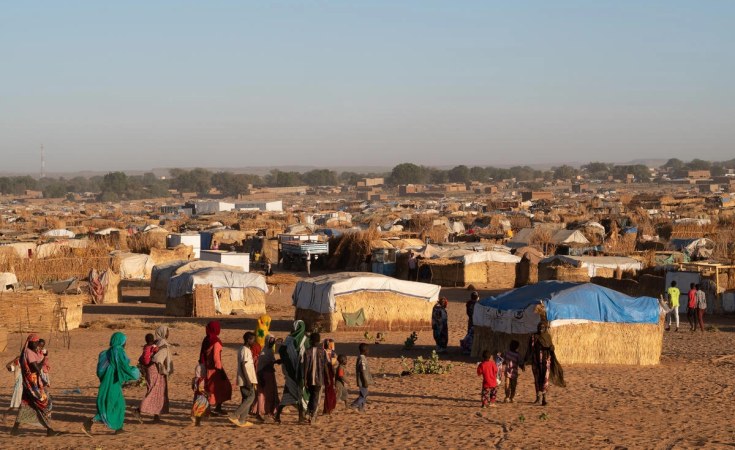
In Sudan, where the practice has long been widespread, years of slow progress are now hampered by the ongoing conflict between the Sudanese Armed Forces (SAF) and the paramilitary Rapid Support Forces (RSF).
The practice is rooted in social norms tied to marriageability, sexuality, and notions of honour, Dima Dabbous, MENA director at women's rights group Equality Now, previously told Radio Dabanga. Families often fear that "uncut" daughters will face social stigma or struggle to get married, while religious misconceptions continue to shape attitudes in some communities, erroneously believing FGM to be a religious duty.
Follow us on WhatsApp | LinkedIn for the latest headlines
Data from a 2014 Multiple Indicator Cluster Survey, cited by the Equality Now report discussed with Dabbous, showed that 86.6 per cent of women in Sudan aged 15-49 had undergone FGM. Among girls aged 0-14, the rate had fallen to 66.3 per cent, pointing to a gradual generational shift.
Programmes such as the Saleema initiative, launched by the UN Children's Fund and the National Council for Child Welfare in 2008, worked to shift language and norms at community level by promoting the use of "new positive terminology to describe the natural bodies of girls and women."
Public health campaigns retrained traditional midwives, many of whom had previously performed FGM, offering them alternative livelihoods within the health system. However, with the collapse of healthcare infrastructure due to the ongoing war, the report warns that state-employed midwives who had moved away from cutting and into public health roles may lose their salaries as services break down, increasing the risk that some return to performing FGM as a source of income.
Legal reform marked a major milestone. In July 2020, Sudan's transitional government criminalised FGM, introducing penalties of fines and up to three years' imprisonment. The move followed years of advocacy by Sudanese women's groups and civil society organisations. That being said, the law had little opportunity to be enforced nationwide before the conflict disrupted governance, oversight, and accountability.
Conflict reshapes risks

Sign up for free AllAfrica Newsletters
Get the latest in African news delivered straight to your inbox
Research on Sudan, including earlier conflicts in Darfur, has long documented the use of sexual violence against women and girls during wartime, while displacement and food insecurity intensify economic pressures on households. Even before the war, years of economic strain had left most families in poverty, limiting access to health care and social services.
In such conditions, social researchers warn that communities can revert to harmful practices--including child marriage and FGM--as coping mechanisms linked to financial incentives and marriage prospects. However, poverty may also contribute to the delay or discontinuation of FGM practices in some cases, as families prioritise necessities like housing and food.
With Sudan's crisis deepening, the issue of FGM cannot be separated from broader concerns about health, rights, and rebuilding fractured communities. Grassroots efforts persist despite the war, and women-led organisations continue to play a central role in humanitarian initiatives.
By 2030, the United Nations estimates 22.7 million people are at risk of undergoing FGM globally unless prevention efforts pick up. Eradicating the practice by end-decade, a target under the UN Sustainable Development Goals, would require the rate of decline to move 27 times faster than today.
#EndFGM #Invest2EndFGM
