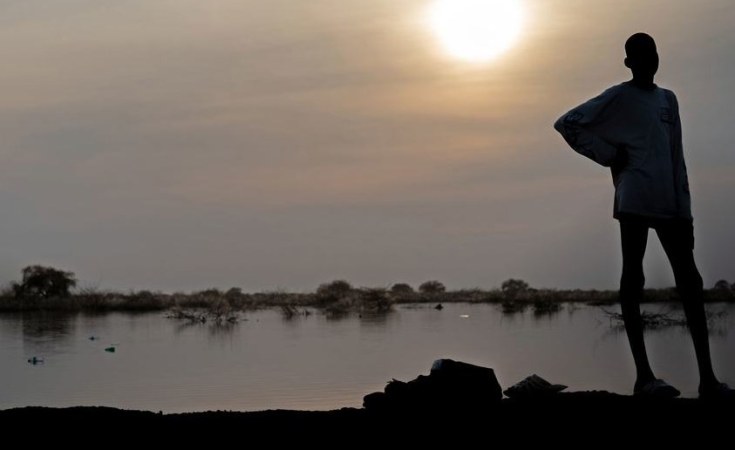
Juba, South Sudan, February 9, 2026 – CARE South Sudan warns that escalating conflict and displacement in Jonglei State are rapidly intensifying hunger, human suffering, and protection risks, compounding an already severe humanitarian crisis in one of the country's most vulnerable regions. A return to conflict will have devastating effects for communities in South Sudan that are still recovering from a brutal civil war.
Since late December 2025, renewed fighting in parts of Jonglei State – including Nyirol, Uror, Ayod, and Duk counties – has forced large-scale displacement, with humanitarian organizations estimating that more than 230,000 people have been uprooted. Many families are now living in overcrowded conditions with limited access to food, clean water, health care, and protection services.
The violence is unfolding against a backdrop of extreme food insecurity. According to the latest Integrated Food Security Phase Classification (IPC) projections (September 2025–July 2026), Jonglei State is classified under IPC Phase 4 (Emergency), meaning large numbers of people face severe food gaps and very high levels of acute malnutrition. Several areas are also projected to experience critical levels of acute malnutrition, with three counties classified under IPC Phase 5 (Extremely Critical) for malnutrition – the most severe category.
"Conflict is not only displacing families, it is destroying livelihoods and accelerating hunger in a state that was already on the brink," said Maina Kingori, CARE South Sudan Interim Country Director . "The IPC analysis shows that Jonglei was facing alarming levels of food insecurity even before this escalation. Continued violence risks pushing more communities toward catastrophic hunger."
Follow us on WhatsApp | LinkedIn for the latest headlines
Markets, farming activities, and basic services have been severely disrupted. Health and nutrition facilities in some conflict-affected areas have reportedly been looted, damaged, or forced to suspend operations, cutting off lifesaving care for children, pregnant and breastfeeding women, and people living with chronic illnesses.
Women and girls are bearing a disproportionate burden of the crisis. Displacement and overcrowding have heightened risks of gender-based violence, while limited access to maternal health services, nutrition support, and clean water is increasing threats to their health, safety, and dignity. The latest figures for June to September 2025 show the alarming prevalence of conflict-related sexual violence and abductions even before the recent escalation and despite the likelihood of underreporting.
CARE, working closely with humanitarian partners and local authorities, is responding to urgent needs in Jonglei by supporting access to food, nutrition, health, water, sanitation, and protection services where conditions allow. CARE is currently operational in Akobo and Bor South Counties, which have experienced a significant influx of displaced people, and continues to assess needs and coordinate response options with partners as the situation evolves.

Sign up for free AllAfrica Newsletters
Get the latest in African news delivered straight to your inbox
CARE notes some progress in humanitarian access in parts of Jonglei. However, significant challenges remain. Insecurity, movement restrictions, and periodic disruptions to air operations continue to limit the ability of humanitarian actors to reach people in need consistently, including the delivery of life-saving assistance and the facilitation of medical evacuations. Threats against civilians and civilian infrastructure are deeply concerning and attacks targeting civilians would constitute violations of international humanitarian law.
"Humanitarian access is a matter of survival, not politics," added Kingori. "All parties to the conflict must protect civilians and ensure safe, timely, and unhindered access for humanitarian actors. Without access, hunger will deepen, preventable diseases will spread, and lives will be lost."
CARE further appealed to donors to provide flexible and timely funding to prevent further deterioration of the humanitarian situation in Jonglei.
