African Union Summit Crucial Opportunity to Address Protection of Civilians
This week African and other international leaders and actors arrive in Ethiopia's capital, Addis Ababa, for the annual African Union (AU) summit.
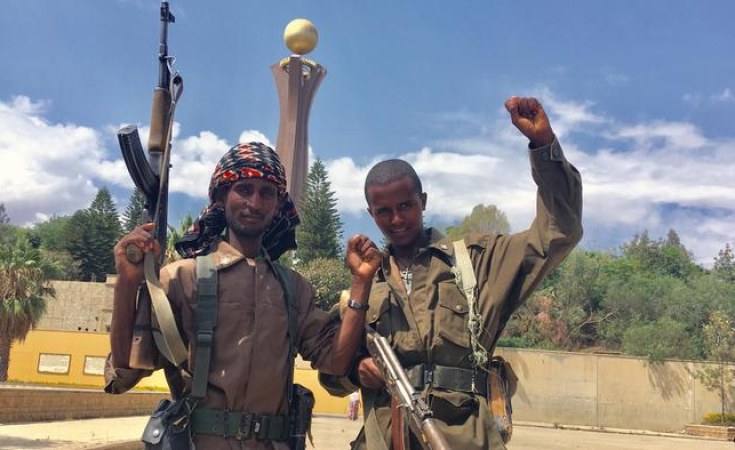
The 39th meeting of heads of state and governments is taking place amid Ethiopia's deteriorating human rights situation and the apparent unravelling of the fragile peace in the country's Tigray region. Tigray's population is still reeling from the 2020-2022 armed conflict and a man-made humanitarian disaster. The United Nations secretary-general, AU leaders, and international partners attending the summit should speak out about the threats to the population unfolding in the host country.
Follow us on WhatsApp | LinkedIn for the latest headlines
Most concerning were reports in late January of heavy fighting between the Ethiopian army and Tigrayan forces in the central and southern parts of the region causing widespread displacement. United Nations High Commissioner for Human Rights Volker Türk on February 10 expressed concern about the region's "already precarious human rights and humanitarian situation." He said that "[a]lleged serious violations or abuses must be promptly and independently investigated, irrespective of the perpetrators."
In addition, Ethiopian authorities have again accused neighboring Eritrea of supporting armed groups in the Amhara region, where hostilities have been ongoing since 2023.
AU leaders should not fear alienating the host of the summit and a perceived ally. During and since the 2020-2022 conflict, the AU as well as the UN failed victims of killings, widespread sexual violence, abductions, and ethnic cleansing. The current situation provides a critical opportunity to change tact.
The AU and UN leadership, should publicly call on all actors, including signatories and non-signatories to the November 2022 Pretoria Cessation of Hostilities Agreement, to protect civilians and prioritize the implementation of key provisions on civilian protection, aid access, access to basic services and transitional justice.
They should call on Ethiopia to allow the AU monitoring mechanism, established as part of the 2022 peace agreement, to deploy more monitors. The AU Peace and Security Council and Commission should also consider strengthening the mechanism's civilian-protection and human rights components, improving transparency, and ensuring regular public reporting on violations.
The AU summit presents a crucial opportunity for clear and concerted action from leaders to prevent further abuses against civilians in Ethiopia. By strengthening reporting, transparency, and accountability, the summit also provides an opportunity to stem the suffering of civilians in the region as a whole. There's not a moment to lose.

Sign up for free AllAfrica Newsletters
Get the latest in African news delivered straight to your inbox

