

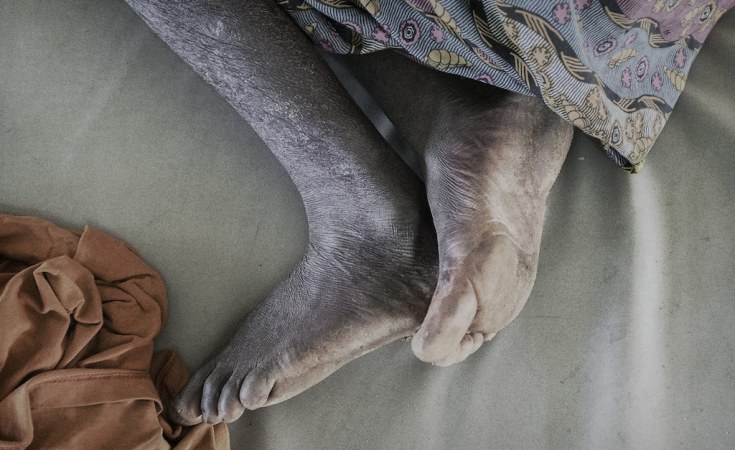
Meningitis remains one of Nigeria's recurring public health challenges, particularly in the northern region that lies within Africa's meningitis belt.
The disease, an infection of the membranes surrounding the brain and spinal cord, remains one of the most devastating infectious diseases worldwide.
According to the World Health Organisation (WHO), the disease continues to pose a major public health challenge, especially in sub-Saharan Africa's "meningitis belt," a stretch of countries from Senegal in the west to Ethiopia in the east where outbreaks occur regularly. Nigeria sits squarely within this belt, making it particularly vulnerable to recurring epidemics.
Keep up with the latest headlines on WhatsApp | LinkedIn
Meningitis can be caused by several pathogens, including viruses, fungi, and bacteria. However, bacterial meningitis carries the highest global burden and is responsible for most deaths and severe complications.
The bacteria responsible for meningitis often live harmlessly in the human nose and throat, the global health body said, explaining that the bacteria are transmitted through respiratory droplets or throat secretions, especially during close contact such as coughing, sneezing, or living in crowded environments.
While many people carry the bacteria without falling ill, it can sometimes invade the bloodstream and reach the brain, causing meningitis or life-threatening sepsis, WHO added.
Although meningitis can affect people of all ages, young children remain the most vulnerable. Data from the Nigerian outbreak showed that children aged five to 14 years are the most affected group.
Nigeria has continued to battle recurring outbreaks of cerebrospinal meningitis over the years. During the 2023/2024 meningitis season, the country recorded 3,644 suspected cases and 306 deaths, highlighting the persistent toll of the disease.
The 2024/2025 season also recorded significant numbers. As of April 6, 2025, a total of 2,911 suspected cases and 225 deaths were reported across 24 states, representing a case fatality rate of 7.7 per cent.
Public health experts said the dry, dusty conditions common during the harmattan season help create the ideal environment for the bacteria to spread.
Meanwhile, the Nigeria Centre for Disease Control and Prevention (NCDC) has issued a fresh public health advisory alerting Nigerians to the heightened risk of Cerebrospinal Meningitis (CSM) as the country moves through the peak of the dry season.
In a statement signed by the Director-General, Dr. Jide Idris, the agency noted that meningitis cases typically surge between December and April, when dry, dusty conditions, overcrowding and poor ventilation create favourable conditions for transmission, particularly in states located within the African meningitis belt.
"Meningitis can progress rapidly and may be fatal within hours if untreated," NCDC warned, urging Nigerians to remain vigilant and seek immediate medical care once symptoms appear.
The agency explained that Cerebrospinal Meningitis is a severe infection of the membranes covering the brain and spinal cord, most commonly caused by the bacterium Neisseria meningitidis.
It said the infection spreads through respiratory droplets during close contact, especially in congested or poorly ventilated environments.
According to NCDC, early symptoms include sudden high fever, severe headache and neck stiffness, with other signs such as vomiting, sensitivity to light, confusion, seizures and in infants, a bulging soft spot, irritability and refusal to feed.
NCDC cautioned that fever and headache during the dry season should not be automatically dismissed as malaria. "Seek immediate medical evaluation," the advisory stressed.
Those at higher risk include children, young adults, people living in overcrowded homes, individuals with compromised immunity and residents of dry, dusty regions. NCDC also highlighted schools, boarding houses, universities, IDP camps, religious centres and correctional facilities as settings that require heightened surveillance and immediate reporting of suspected cases.

Sign up for free AllAfrica Newsletters
Get the latest in African news delivered straight to your inbox
The agency, therefore, advised Nigerians to seek early care and avoid self-medication or herbal remedies, reduce transmission by improving ventilation, avoiding overcrowding, covering the mouth when coughing or sneezing, and not sharing cups or utensils.
NCDC also urged Nigerians to get vaccinated, noting that meningitis vaccines remain safe and effective, especially during state-led reactive vaccination campaigns.
According to the advisory, NCDC is working closely with state ministries of health to strengthen surveillance and laboratory capacity. Other ongoing measures include deploying Rapid Response Teams to affected areas, supporting case management, and conducting community engagement and public awareness campaigns.
The agency emphasised that emergency care should be sought immediately if fever is accompanied by neck stiffness, confusion, seizures, or rapid worsening of symptoms.

