Mr Tuggar made the remarks in a recent interview with Reuters.
Nigeria's Minister of Foreign Affairs, Yusuf Tuggar, has said the ongoing conflict in the Middle East underscores why Gulf oil and gas producers should view Nigeria as a partner rather than a rival in efforts to diversify global energy supply during crises.
Mr Tuggar made the remarks in a recent interview with Reuters.
"Nigeria's untapped reserves offer Gulf states an alternative source of crude and gas at a time when global flows are vulnerable, and demand for hydrocarbons is set to remain strong for years," Reuters quoted the minister as saying.
Keep up with the latest headlines on WhatsApp | LinkedIn
The minister's comments come as the war in Iran continues to disrupt shipments through the Strait of Hormuz, a vital corridor for about one-fifth of global oil supply. The disruption has forced some exporters to halt shipments and has triggered spikes in global oil prices.
Impact on Nigeria
In Nigeria, consumers are already feeling the effects of the supply shock caused by the conflict.
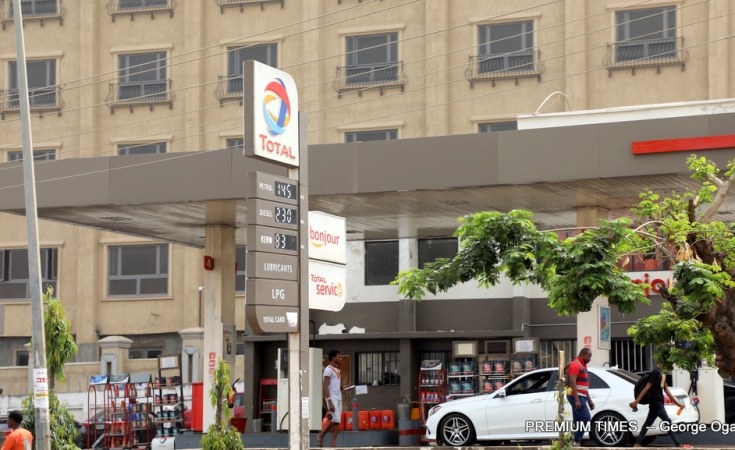
Petrol prices have risen by more than 25 per cent across major cities, worsening the cost-of-living crisis many Nigerians have faced since the removal of fuel subsidy in 2023.
Fuel prices jumped from about N870 per litre to nearly N1,400 per litre in Abuja within a week after the conflict began.
Nigeria's oil and gas industry has long been hampered by underinvestment, crude oil theft and pipeline vandalism.
Despite these challenges, Mr Tuggar on Wednesday said Nigeria has increased total oil output to about 1.7 million barrels per day, up from roughly 1.4 million barrels per day when President Bola Tinubu took office in 2023.
He is optimistic that production could rise further with fresh capital investments in oil fields and pipelines.
Investment outlook
Nigeria has recently embarked on efforts to revamp its energy sector by leveraging its vast resources to strengthen energy security, boost economic growth and support sustainable development.
However, the sector continues to grapple with challenges including regulatory coordination issues, corruption and financing gaps.
Some analysts say US and Israeli strikes on Iran and Tehran's attacks on Gulf states could prompt Middle Eastern investors to slow down investments in Africa. Mr Tuggar, however, said the opposite could also happen.
"It could make them want to work with countries like Nigeria that are rich in gas and oil ... to diversify market share for the benefit of both countries, or they could hold back."
Nigeria and the United Arab Emirates signed the Comprehensive Economic Partnership Agreement in January, which Abuja says will unlock trade and investment opportunities between both countries.

Sign up for free AllAfrica Newsletters
Get the latest in African news delivered straight to your inbox
Investors linked to Qatar have also announced plans to invest in gas projects in Nigeria, although timelines remain unclear.
Analysts caution that major investment pledges in Nigeria often face long approval processes and execution risks.
Refining capacity
Mr Tuggar said Nigeria has also felt the impact of rising global oil prices because the country still imports significant volumes of refined petroleum products. This has increased transport and food costs, particularly during the Muslim fasting month of Ramadan, when consumption typically rises.
However, he said Nigeria is better positioned to withstand longer-term shocks as domestic refining capacity expands.
The privately owned Dangote Petroleum Refinery says it is operating at its nameplate capacity of 650,000 barrels per day, enough to meet domestic demand.
Oil will remain "relevant for many years to come," Mr Tuggar added.
"At the moment, the world consumes about 105 to 106 million barrels per day. I don't see that changing much anytime soon, so we need to work together so we have enough hydrocarbons available."
