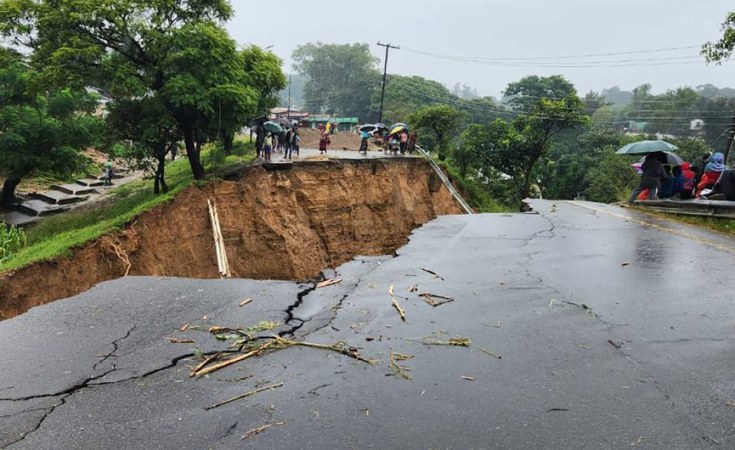
Water authorities have sounded the alarm after confirming that levels in Lake Malawi have surged to their highest point in years, underscoring growing pressure on surrounding communities and raising the risk of flooding if the upward trend continues.
The National Water Resources Authority (NWRA) says the lake has now reached 476.01 metres above sea level--an increase of 0.46 metres compared to the same period last year--with projections indicating it could climb further to 476.4 metres by May 2026 if current conditions persist.
Driven by sustained heavy rainfall across central and northern Malawi as well as parts of Tanzania along the lake's eastern basin, the rising water levels are already forcing authorities into active intervention to prevent a potential overflow scenario.
Follow us on WhatsApp | LinkedIn for the latest headlines
In a critical control measure, the NWRA has opened the Kamuzu Barrage, which is now discharging approximately one million litres of water per second into the Shire River--a move designed to ease pressure on the lake while safeguarding both upstream and downstream communities from sudden water surges.
Officials warn that while the intervention may stabilise levels in the short term, the situation remains delicate, particularly if rainfall patterns intensify, potentially pushing the lake closer to critical thresholds.
At the same time, authorities have issued a firm reminder to the public that it is illegal to construct houses, businesses, or cultivate land below the 477-metre contour line along the lake shores, or within the 100-year flood line along rivers--zones considered highly vulnerable to flooding and environmental damage.
The rising waters, while a sign of strong seasonal inflows, are also a stark signal of increasing climate variability, placing pressure on infrastructure, settlement patterns, and disaster preparedness systems in lakeshore and riverine communities.


