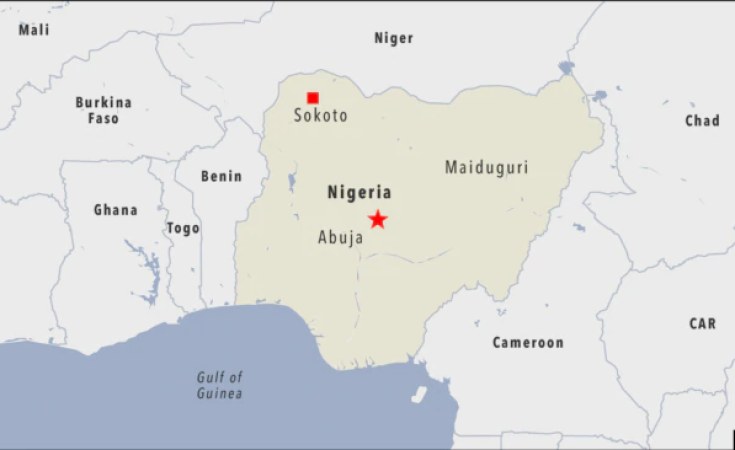
The Sokoto State Commissioner for Health, Faruk Wurno, said the state government had deployed health officials to investigate and provide free medications.
A suspected outbreak of cerebrospinal meningitis (CSM) has killed several residents, mostly children, in Kurawa village, Sabon Birni Local Government Area of Sokoto State, triggering panic as health authorities race to contain the disease.
Residents and community leaders said the outbreak began about three weeks ago, with fatalities mounting steadily in recent days.
Deaths mount
Keep up with the latest headlines on WhatsApp | LinkedIn
Mudassir Kurawa, the village head, told journalists that between 10 and 15 deaths had been recorded in the community, excluding surrounding settlements.
"The victims are mostly children between the ages of two and 10," he said.
He added that on Saturday alone, 15 patients were admitted at the local health facility, with three dying shortly after arrival.
A local health worker, who requested anonymity because he was not authorised to speak publicly, said the clinic had become overwhelmed.
"People troop to the hospital every day in large numbers seeking treatment. We are overwhelmed," the source said.
Residents reported symptoms including severe neck pain, high fever, vomiting, diarrhoea and unconsciousness, symptoms commonly associated with meningitis.
Public health concerns
The outbreak has intensified concerns over disease surveillance, emergency response and healthcare access in northern Nigeria's meningitis-prone zones.
Some residents said victims often die within 24 hours of showing symptoms, raising fears over delayed diagnosis and limited treatment capacity.
"We were told it is meningitis, but the deaths are continuing," one resident said.
Government intervention
The Sokoto State Commissioner for Health, Faruk Wurno, said the state government had deployed health officials to investigate and provide free medication.
"I received the report on Sunday and immediately sent health personnel to assess the situation and support the affected community," he said.
Mr Wurno added that authorities were still working to determine the precise number of casualties and confirm the exact cause of the outbreak.
Seasonal vulnerability
Cerebrospinal Meningitis, usually caused by bacteria, is a serious inflammation of the brain and spinal cord membranes. Its symptoms include high fever, severe headache and stiff neck. However, there are vaccines that can be taken to prevent the bacterial infection.

Sign up for free AllAfrica Newsletters
Get the latest in African news delivered straight to your inbox
Northern Nigeria lies within Africa's meningitis belt, where dry-season heat, dust and overcrowded living conditions significantly increase the risk of outbreaks.
Public health experts have repeatedly warned that preventive vaccination and rapid detection remain essential to reducing fatalities.
The latest incident exposes ongoing vulnerabilities in rural health systems, where seasonal disease outbreaks can quickly escalate into public health emergencies.
