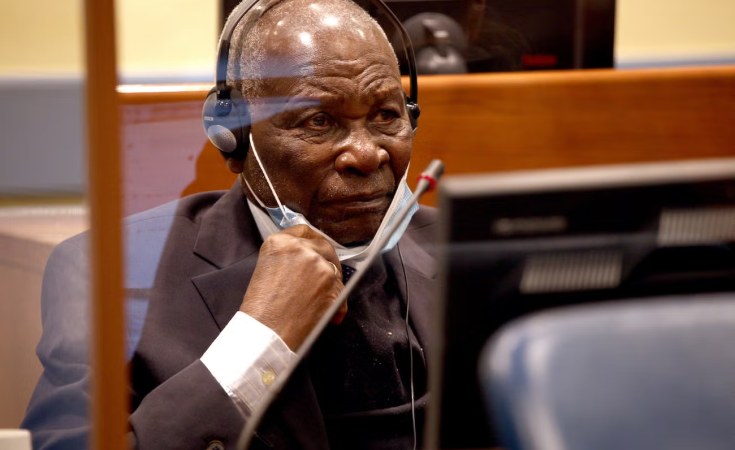
Félicien Kabuga's death in custody in The Hague last week closes one chapter in the long and painful pursuit of justice for the 1994 Genocide against the Tutsi. But it does not close the case, especially for survivors.
Kabuga was no ordinary perpetrator.
He was not a foot soldier caught in the madness of the killing fields. He was a man of means who used his deep pockets, business networks and political proximity to help turn extremist ideology into an organised machinery of extermination.
Follow us on WhatsApp | LinkedIn for the latest headlines
He bankrolled the Interahamwe militia, supporting the hate machinery of Radio Télévision Libre des Mille Collines, and facilitating the massacre that consumed more than a million innocent lives in 1994. His case mattered because it represented the question of accountability for those who did not necessarily wield machetes, but enabled those who did.
That he died without facing full trial is a painful injustice, despite an decades-long arrest warrant, survivors were denied the opportunity to see him answer, in open court, for his alleged role in the destruction of their families, homes and country. They were denied the truth that could have come from a full judicial process, and by extension denied a measure of closure.
But Kabuga did not hide for 26 years by accident. He did not move across borders, use false identities, access resources and avoid arrest without help. There were individuals, networks and possibly countries that enabled him to live freely while survivors carried the burden of memory and loss.
That is where the pursuit of justice must now turn.
Those who sheltered Kabuga, facilitated his movements, concealed his identity, obstructed investigators or otherwise helped him evade justice must be identified and held accountable. Their actions were not minor acts of sympathy. They were actions that prolonged impunity and deepened survivors' wounds.
Justice delayed in Kabuga's case has now become justice denied. But the world still has one opportunity to demonstrate that impunity will not be inherited by those who protected him.
The death of a suspect must not become the death of accountability. The International Residual Mechanism for Criminal Tribunals International and the Government of Rwanda must now follow the trail of assistance that kept him beyond the reach of the law for so long.
For survivors, this is not about revenge. It is about truth. It is about recognising that genocide is not only committed by killers, but also by financiers, propagandists, planners, protectors and enablers.
Kabuga might have escaped the full weight of justice, but those who helped him do so must not.


