
Nairobi — Public service vehicles returned to Nairobi's roads on Wednesday morning after a crippling two-day matatu strike paralysed transport and disrupted business activities across the country.
Commuters resumed their daily routines as matatus gradually returned to operation, bringing relief to thousands who had been stranded during the shutdown.
But while transport services are back, traders and drivers say the economic pain caused by soaring fuel prices and days of lost income continues to weigh heavily on them.
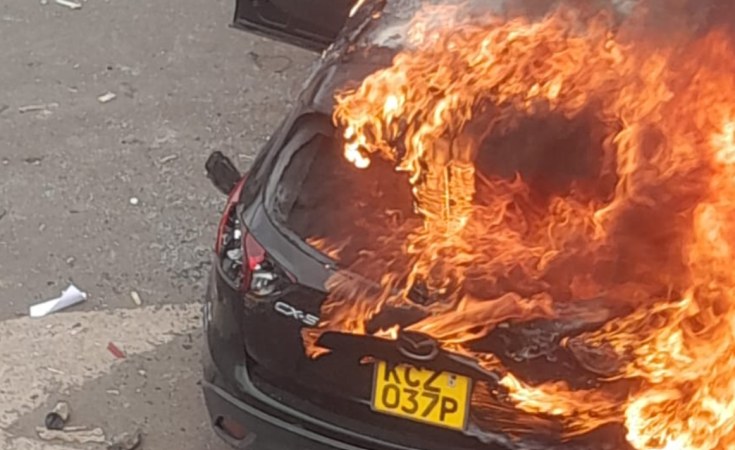
The strike, led by matatu operators protesting high fuel costs, brought movement in major towns and cities to a near standstill.
Keep up with the latest headlines on WhatsApp | LinkedIn
The government has since opened a seven-day window for talks with matatu associations in an effort to find a lasting solution to rising fuel prices.
However, many operators say the crisis had already pushed them to the brink long before the strike began.
Speaking to Capital FM, one matatu driver described how the rising cost of fuel has drastically reduced their earnings.
"Fuel prices have shot up when you go to the pump, you fuel with about 7,000 or 8,000 shillings. It is like it has increased by about 2,000 shillings per tank for the whole day," he said. "That 2,000 shilling increase affects us because, for instance, if the vehicle itself needs 3,000 shillings, you are only giving it 2,000 shillings."
Drivers say the increased operational costs have created daily tensions between operators trying to stay afloat and passengers already struggling with the high cost of living.
The impact of the strike was equally severe for small-scale traders who rely heavily on public transport to move goods and reach customers.
A banana vendor along Moi Avenue told Capital FM that days without transport had left her without any meaningful income.
"These past four days I have just been sitting at home, struggling," she said.
"You buy bananas for 600 shillings, do you expect me to pay an additional 200 shillings for the vehicle? You go back home with what? Two hundred shillings."
"
For her, the matatu industry is not only a transport system but also the backbone of her daily business.
"These makanga (Bus Conductors) right here are the ones you see me selling these bananas to. These are my bosses. If I don't sell to them, I won't get any work," she added.
The government now faces growing pressure to deliver a solution that will ease fuel costs and stabilise the transport sector.
Under the ongoing negotiations, officials and matatu associations are expected to hold talks over the next seven days to explore possible interventions on fuel pricing and operating costs.

Sign up for free AllAfrica Newsletters
Get the latest in African news delivered straight to your inbox
But as discussions begin, many Kenyans say they remain uncertain whether the negotiations will bring meaningful relief or simply delay a deeper crisis in the public transport sector.
For now, the matatus are back on the roads, but for drivers, traders, and commuters alike, the financial strain caused by rising fuel prices remains far from over.
