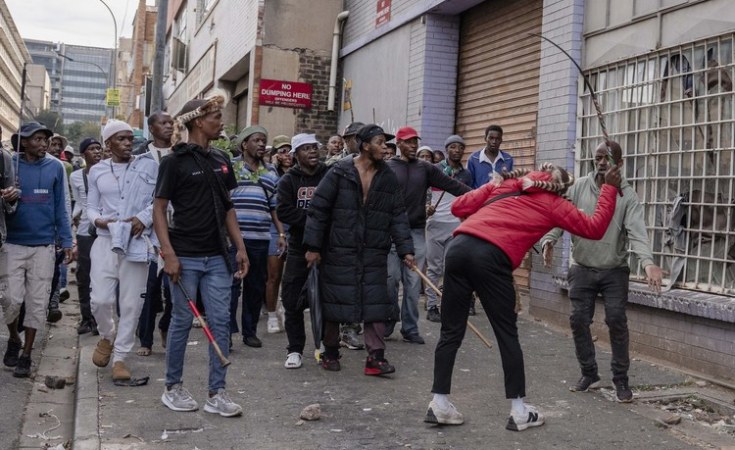
The tensions surrounding migration are not simply about xenophobia or border control. They reveal a society increasingly accustomed to learning about governance failures after the damage has already been done.
As South Africa approaches the self-imposed 30 June deadline advanced by anti-immigration groups, there is a palpable sense of unease that extends far beyond questions of migration.
The anxiety surrounding this moment cannot be understood solely through the lens of xenophobia, nor can it be reduced to debates about border control. Rather, it speaks to a deeper and more troubling reality: the extent to which South Africans have become accustomed to confronting crises after institutions have already failed to prevent them.
For many, the atmosphere surrounding the current moment evokes memories of July 2021. The violence and destruction of that period left scars that were not merely economic. They exposed how quickly uncertainty can fill the vacuum created by weak institutions and ineffective leadership.
The Expert Panel established by President Cyril Ramaphosa concluded that structural inequalities, poor coordination among security agencies and broader governance failures contributed to the unrest. The South African Human Rights Commission later estimated that approximately 350 people lost their lives and that the economic damage exceeded R50-billion.
Beyond these figures lay something less tangible but equally significant: the erosion of public confidence and the lingering trauma experienced by communities that discovered how...


