

The project, however, remains the subject of criticism from environmental organisations, which have raised concerns about its ecological and climate impacts
The East African Crude Oil Pipeline (EACOP), one of Africa's biggest energy infrastructure projects, has passed the 90% completion mark, bringing Uganda a step closer to exporting crude oil to international markets.
The latest update, published in EACOP's corporate newsletter on 3 July, says the cross-border pipeline has reached the milestone following significant progress in engineering, procurement and construction works across Uganda and Tanzania.
Keep up with the latest headlines on WhatsApp | LinkedIn
The achievement marks the beginning of the project's final phase, with construction teams now focused on completing the remaining facilities, integrating operational systems and carrying out commissioning ahead of commercial operations.
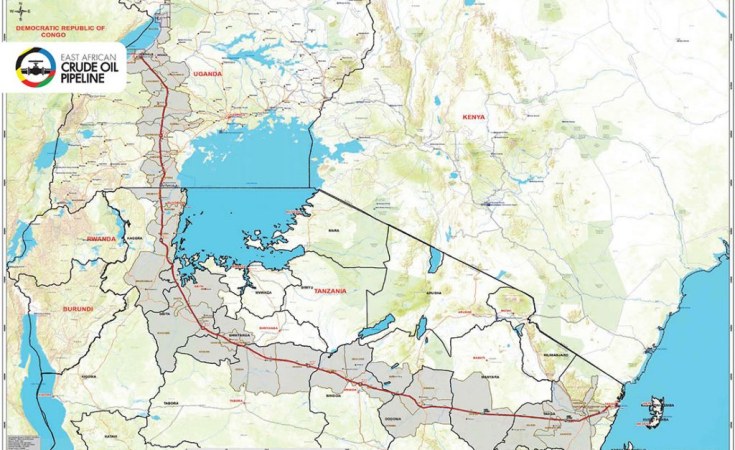
When complete, the 1,443km heated pipeline will transport crude oil from Uganda's oilfields in Hoima, western Uganda, to the Tanzanian port of Tanga on the Indian Ocean. The infrastructure is expected to provide Uganda's first export route for crude oil, placing the country among Africa's oil-exporting nations.
Final construction phase
According to EACOP, work is advancing steadily across both countries, with thousands of workers engaged on construction sites.
Attention has now shifted from large-scale civil works to above-ground installations, testing of critical systems and preparing facilities for operation.
The project includes six pumping stations, two pressure reduction stations, a marine export terminal at Tanga Port and an extensive fibre-optic communications network designed to support pipeline operations.
The company says pipeline welding, stringing, trenching and lowering activities continue alongside the installation of electrical, instrumentation and telecommunications systems required to operate the heated pipeline safely.
EACOP also says health, safety and environmental management remain central to the construction programme, with contractors required to comply with established operational standards throughout the project.
Economic expectations
Beyond the engineering works, the company says the project continues to generate employment and business opportunities in both Uganda and Tanzania.
According to the newsletter, national content programmes are expanding the participation of local companies in the project's supply chain while helping citizens acquire technical skills needed in the oil and gas industry.
EACOP says thousands of Ugandans and Tanzanians have secured direct and indirect employment since construction began. Local businesses have also benefited from procurement opportunities spanning engineering, transport, logistics, hospitality and other support services.
The company says it continues to invest in community programmes covering education, healthcare, access to clean water, environmental conservation and livelihood restoration for households affected by the project.
It also highlights ongoing engagement with communities along the pipeline route through consultations and social investment programmes intended to support development beyond the construction phase.
The latest milestone comes as Uganda prepares for its first commercial oil production after years of exploration, planning and investment in supporting infrastructure.
EACOP is jointly owned by TotalEnergies, Uganda National Oil Company, Tanzania Petroleum Development Corporation and China National Offshore Oil Corporation.
Once operational, the pipeline will have the capacity to transport up to 246,000 barrels of crude oil a day from Uganda's Tilenga and Kingfisher oilfields to the Indian Ocean for export.

Sign up for free AllAfrica Newsletters
Get the latest in African news delivered straight to your inbox
The Ugandan government says the project is expected to attract billions of dollars in investment, increase export earnings and create jobs while stimulating growth in sectors including manufacturing, engineering, transport, logistics and financial services.
The latest progress follows a series of construction milestones over the past year, including advances on pumping stations, accelerated pipeline installation and continued work on the marine export terminal in Tanzania.
The project, however, remains the subject of criticism from environmental organisations, which have raised concerns about its ecological and climate impacts.
EACOP says it is implementing internationally recognised environmental, social and governance standards and is working with regulators in Uganda and Tanzania to comply with national laws and protect affected communities.

