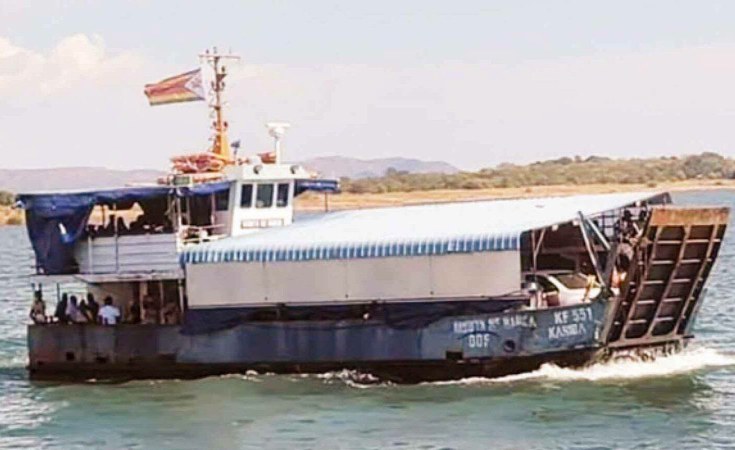
When Captain Sign Patsikadova turned the RIDA vessel Mbuya Nehanda around in January, he was facing a decision that could have put nearly 90 passengers at risk if he got it wrong.
The boat was on its way to Chalala when it ran into powerful waves between Long Island and Musamba Island. Heavy rain had reduced visibility, and the vessel was struggling against the conditions.
Then part of the boat broke away.
The vessel's rump detached and fell into the water, temporarily affecting the engines. Water entered the boat from the sides on three occasions as the crew worked to keep the vessel stable.
Follow us on WhatsApp | LinkedIn for the latest headlines
Patsikadova was carrying schoolchildren travelling home, several infants and other passengers, as well as a large consignment of cargo.
He decided the safest option was to turn back to Kariba.
The journey had already been underway for almost two hours when the decision was made.
"We did not cut the journey short because of the weather. No. We use a compass. The problem was that we lost the rump, and manoeuvring such a vessel would not be safe as water would easily get in," Patsikadova said after the incident.
The Mbuya Nehanda eventually made it back to Peter's Point Harbour without any reported injuries.
Passengers who had been on board described the experience as frightening. Some were visibly shaken, while others praised Patsikadova and the crew for getting them safely back to shore.
"There is a God in heaven," some passengers said.
The Civil Protection Unit chairperson also went to the harbour to assess the situation and engage with the authorities.
At the time, the January incident was a frightening episode on a routine passenger journey across Lake Kariba.
Months later, however, it provides an earlier glimpse of the risks faced by vessels operating on the lake, where weather conditions can change quickly and leave crews with difficult decisions to make.
Patsikadova's decision to turn back was based on the condition of the vessel rather than simply the weather. With part of the boat detached and water entering from the sides, continuing towards Chalala would have exposed the passengers to greater risk.
That incident is now part of the history of the Mbuya Nehanda as the authorities and the public grapple with the far more serious RIDA boat tragedy that occurred this month.
The January episode should not be taken as an explanation for the later accident, and the circumstances surrounding the more recent disaster remain subject to investigation.
But it illustrates the kind of conditions that captains operating on Lake Kariba can encounter -- and the responsibility placed on them when dozens of passengers are depending on their judgment.

Sign up for free AllAfrica Newsletters
Get the latest in African news delivered straight to your inbox
RIDA vessels have long played an important role in connecting communities around Lake Kariba. The boats were donated to Zimbabwe by Denmark soon after independence and became an important means of transporting people and goods between communities in Nyaminyami and surrounding areas.
The Mbuya Nehanda is now the only one of three RIDA boats that once operated along the Zambezi.
In January, with the lake turning against him, Patsikadova made the call to turn back.
The decision brought the passengers safely to shore -- a moment that has gained renewed significance following the tragedy that unfolded on the same lake months later.
