
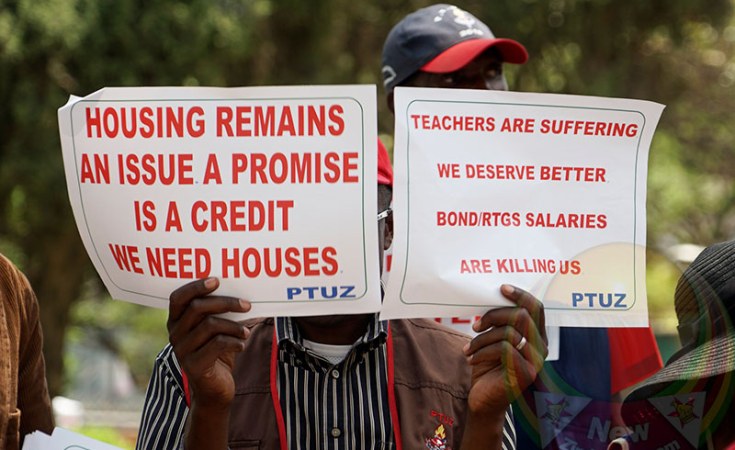
The Amalgamated Rural Teachers Union of Zimbabwe (ARTUZ) says its members will report for duty for only three days a week, citing the failure by the government to address their deteriorating salaries and working conditions.
In a notice to the Ministry of Primary and Secondary Education, the teachers said they would dedicate the remaining two working days to income-generating activities to supplement their salaries.
The move follows an earlier notice of incapacitation issued to government on January 12, 2026.
"On behalf of the Amalgamated Rural Teachers Union of Zimbabwe members, we write to notify you that our members will only be reporting for duty for three days each week and dedicating the other two days of the week to supplement their salaries.
"This development has been necessitated by the unresolved salary crisis that has caused public service teachers to remain incapacitated," the union said.
ARTUZ said the decision had been necessitated by the unresolved salary crisis, which it said had left public service teachers unable to adequately report for duty.
The union said its assessment of teachers' living and working conditions showed that educators required at least US$1,260 as a basic salary to maintain what it described as a dignified standard of living.
"Our assessment of the living and working conditions of teachers put a minimum of US$1,260 as the minimum basic payment that will enable teachers to afford a living standard that upholds human dignity," the union said.
ARTUZ urged government to urgently address the salary dispute ahead of the opening of schools, warning that failure to resolve the matter could disrupt learning.

