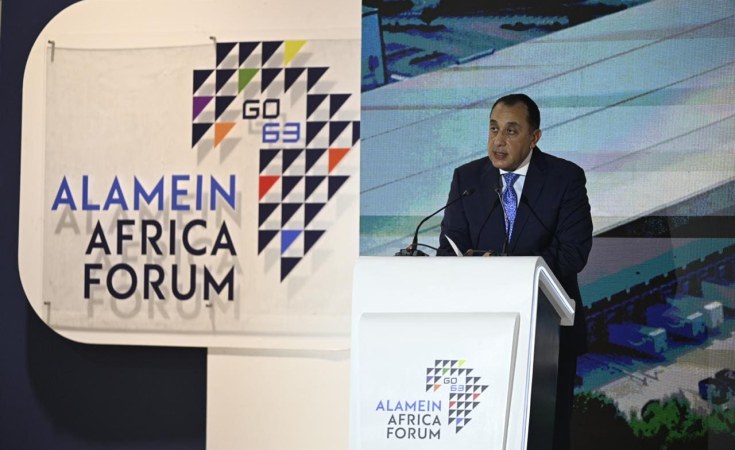
Two-day discussions call for greater African ownership, stronger industries and investment partnerships that turn the continent’s potential into prosperity.
H.E. Abdel Fattah El-Sisi, President of the Arab Republic of Egypt, officially launched the inaugural Alamein Africa Forum, bringing together African heads of state, investors, business leaders and financial institutions to advance partnerships that can drive growth across the continent.
Over the two-day Forum, discussions focused on turning Africa’s resources, entrepreneurial talent and growing markets into productive investment, stronger industries and employment. Delegates called for greater African ownership of the continent’s economic future, supported by economic diplomacy, regional cooperation and access to finance.
Convened by Egypt alongside the African Union, the African Union Development Agency–NEPAD (AUDA-NEPAD) and the African Export–Import Bank (Afreximbank), the Forum connected political leadership with business expertise through high-level discussions, sector panels, bilateral meetings, an exhibition and a dedicated Startup Arena.
The meeting brought together some of the continent’s most prominent private-sector leaders, reflecting the Forum’s focus on putting business at the heart of Africa’s growth agenda. Participants included Mr. Aliko Dangote, President and Chief Executive of Dangote Industries Limited; Mr. Hichem Elloumi, Chairman and CEO of COFICAB Group; Mr. Mohamed El Kettani, CEO of Attijariwafa Bank; Dr. Corneille Karekezi, Group Managing Director and CEO, AfricaRe; Mr. Selim Basak, Co-founder and Head of Origination, GemCorp; Mr. Agostinho Kapaia, Chairman and CEO, Opaia Group and Mr. Ahmed Ezz, Chairman of Ezz Steel.
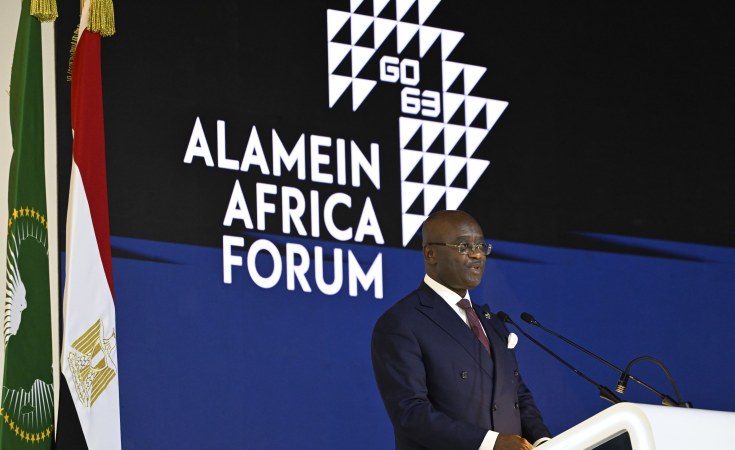
Connecting leadership, business and investment
Forging direct connections between businesses, investors and political leaders was central to President El-Sisi’s vision for the Forum:
“The Forum provides a distinctive space for Africa’s business leaders to meet heads of state, discuss the challenges facing the business sector and build cross-border partnerships that support economic integration and development.”
He highlighted the importance of overcoming information gaps that prevent companies from identifying opportunities in neighbouring markets. Against a backdrop of geopolitical uncertainty, he also emphasised stability, strong national institutions and peaceful cooperation as foundations for investment.
That focus on translating opportunity into results linked the official opening ceremony with the first day’s discussions. H.E. Mostafa Madbouly, Prime Minister, Arab Republic of Egypt, challenged participants to make the transition from identifying priorities to delivering projects:
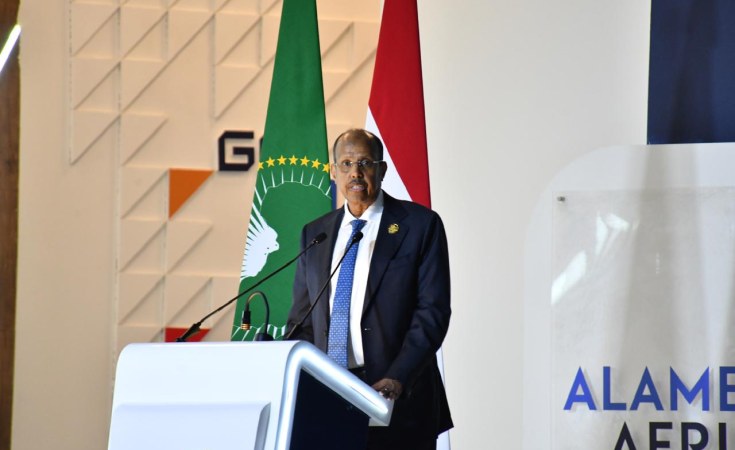
“How do we move from identifying opportunities to developing projects, from setting priorities to securing financing, and from dialogue to implementation?”
Delivering that transition requires governments to provide enabling policies, financial institutions to contribute capital and risk-mitigation instruments, and businesses to drive production, innovation and employment.
H.E. Dr. Badr Abdelatty, Minister of Foreign Affairs, International Cooperation and Egyptian Expatriates, highlighted economic diplomacy as a practical means of connecting these actors:
“Economic integration cannot be built on decisions alone, but on partnerships that turn those decisions into investments, projects and real opportunities.”
Across both days, Abdelatty emphasised infrastructure, connectivity and logistics, alongside access to concessional finance and a stronger African voice in the international financial system.
Businesses also need compatible rules to operate across borders. H.E. Dr Mohamed Farid Saleh, Minister of Investment and Foreign Trade, Egypt, called for regulatory convergence, highlighting pharmaceuticals as a sector where aligned standards could support production and expansion into new markets.
African enterprise, capital and ownership
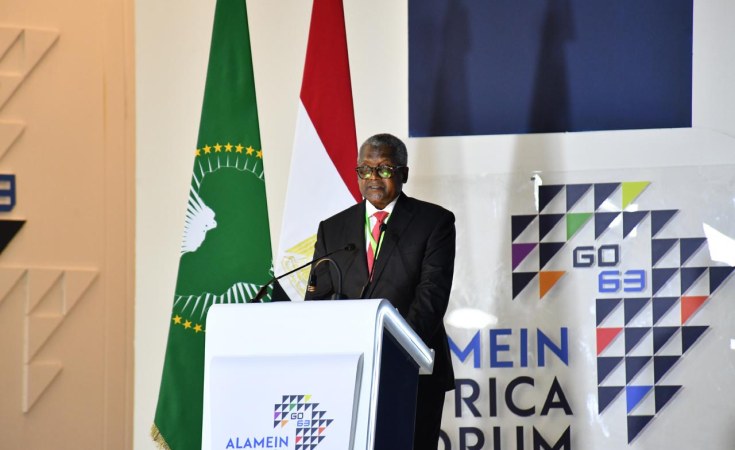
The discussions examined how investment can drive greater productive capacity and resilience in Africa. Mr. Aliko Dangote, President and Chief Executive of Dangote Industries Limited, argued that growth should be assessed through the lasting economic benefits it creates:
“Growth does not tell us enough. We should ask: what are we growing, how many productive jobs does it generate, and how much economic resilience does it leave behind?”
Building African industries, processing resources locally and producing higher-value goods would help reduce dependence on imported fuel, medicines and technology. Dangote also highlighted how fragmented regulations, standards and border procedures constrain businesses seeking to operate at scale.
Alongside competitive enterprises, Africa needs financial institutions capable of supporting its development priorities. Dr. George Elombi, President and Chairman of the Board of Directors, Afreximbank, connected that ambition with African ownership and collective action.
“Egypt has turned Alamein into a city where Africans decide their own future,” he said, recognising Egypt’s longstanding support for the Bank.
Elombi highlighted Afreximbank’s support for African economies during periods of disruption and called for assessments of African financial institutions to reflect their performance, ownership models and development role.
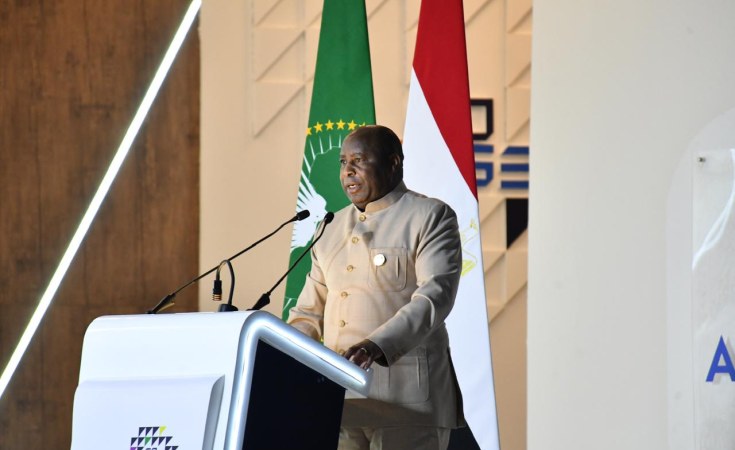
Mobilising African private capital was equally important. Mrs. Nardos Bekele-Thomas, Chief Executive Officer, AUDA-NEPAD, called for businesses and investors to play a greater role in financing the continent’s transformation:
“We need more Africans investing in Africa. We need more African businesses able to go beyond national markets, build regional value chains and compete globally.”
Closing investment gaps requires private capital at scale, supported by policies that enable companies to expand and young entrepreneurs to participate in economic growth.
Coordination among financial institutions can increase the resources available. Mr. Abdullah Almusaibeeh, President, Arab Bank for Economic Development in Africa (BADEA), highlighted the financing potential of partnerships with institutions including the Africa Finance Corporation and the Trade and Development Bank.
“When we coordinate with other institutions, we can bring substantially more financing to a project than any one institution could provide alone.”
Regional partnerships and tangible results
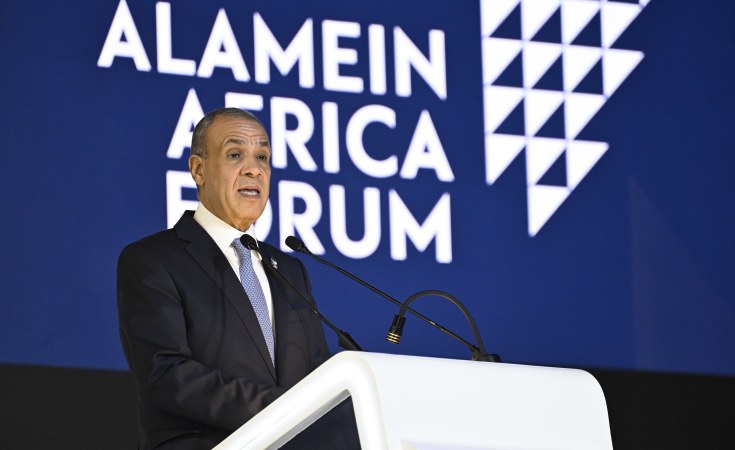
Stronger production and investment depend on connections between African markets. Discussions highlighted infrastructure corridors, commercial diplomacy and public-private partnerships as tools for extending opportunities across borders.
Mr. Mahmoud Ali Youssouf, Chairperson, African Union Commission, emphasised the relationship between productive capacity and prosperity:
“Domestic transformation creates jobs, value addition and wealth.”
He highlighted the need for small and medium-sized enterprises to benefit from cooperation, alongside practical reforms such as payments in local currencies and financing guarantees.
H.E. Évariste Ndayishimiye, President of the Republic of Burundi and Chairperson of the African Union, reinforced the ambition to strengthen Africa’s economic position:
“We invite partners to see Africa not just as a market of consumption, but as a continent of production, innovation and investment.”
Regional infrastructure illustrated how that ambition can work in practice. H.E. Ambassador Téte António, Minister of External Relations, Angola, highlighted the Lobito Corridor’s potential to connect Angola, Zambia and the Democratic Republic of Congo and generate benefits beyond national borders.
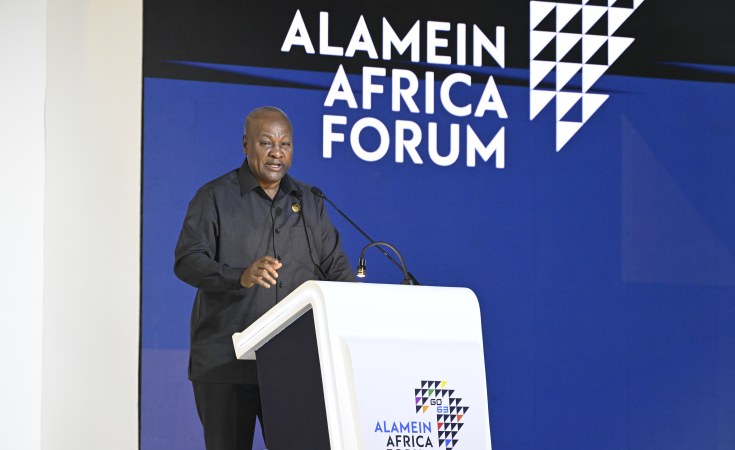
Mr. Massad Boulos, Senior Advisor to the President of the United States for Arab and African Affairs, emphasised commercial partnerships and diplomacy’s role in opening markets and clearing obstacles. Mr. Wamkele Mene, Secretary-General of the AfCFTA Secretariat, stressed that the Forum’s success should be measured by the transactions and partnerships it helps generate.
Across the programme, panels explored agriculture and food systems, energy, infrastructure and logistics, trade, digital innovation and health markets, connecting policymakers, businesses and financiers around investment opportunities. The Startup Arena and African Youth in Artificial Intelligence Competition placed emerging enterprises and young innovators alongside established business leaders.
The shared priority over the two-day Forum was to turn dialogue into delivery by mobilising capital, building productive industries and creating partnerships that translate Africa’s economic potential into lasting prosperity.
About the Alamein Africa Forum
The Alamein Africa Forum has been established as a permanent African Business Forum to convene biennially in Egypt. The inaugural edition will be held from 2-4 October, 2026 in Alamein, Egypt. The aim is to become the continent’s premier gathering where political power meets entrepreneurial prowess, bridging the established engines of African growth with the new sectors defining its future.
To learn more, visit - https://www.alameinforum.com/

