Nairobi — Health Cabinet Secretary Aden Duale has confirmed that a patient in Wajir County who was being assessed for a possible Ebola infection has tested negative for the virus but positive for malaria.
Duale said the patient had been started on antimalarial medication on Thursday night after test results confirmed malaria, easing concerns over a possible second Ebola case in Kenya.
This comes as health authorities maintain heightened surveillance following the confirmation of Kenya's first imported case of Ebola Virus Disease in a Kenyan citizen who had been living in the Democratic Republic of Congo (DRC) for seven years.
The patient died on October 6 while receiving treatment in Nairobi.
Keep up with the latest headlines on WhatsApp | LinkedIn
The Wajir patient's negative result is a significant development in the country's ongoing efforts to identify and investigate suspected Ebola infections amid heightened regional vigilance.
The patient had been receiving medical attention at Habaswein Sub-County Hospital in Wajir South, prompting health officials to investigate the possibility of Ebola following an assessment of his condition and travel history.
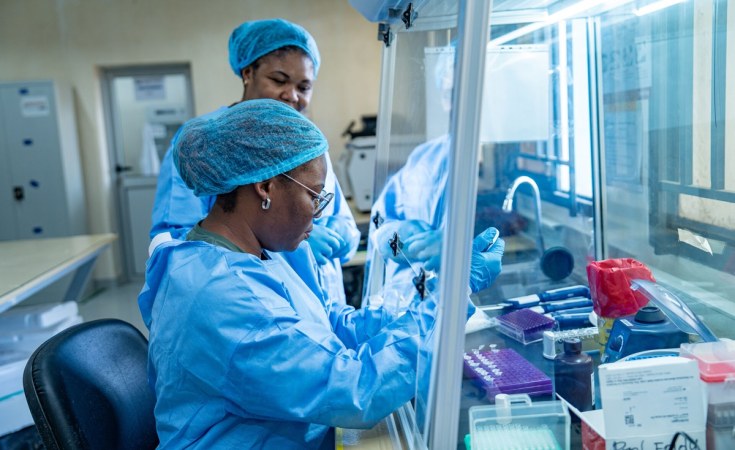
Wajir Governor Ahmed Abdullahi announced on Thursday that preliminary laboratory results from samples sent to the National Public Health Virology Laboratory in Nairobi had ruled out Ebola Virus Disease.
The governor said the county government, working with the Ministry of Health, would continue monitoring the patient and providing appropriate medical care.
He also urged residents to remain calm and avoid spreading unverified information that could cause unnecessary fear and panic.
Duale's latest update that the patient tested positive for malaria provides a diagnosis to guide his treatment.
The development comes as the Ministry of Health intensifies surveillance, laboratory testing and contact tracing following the country's first confirmed imported Ebola case.
The deceased patient had travelled from the DRC through Uganda before boarding Jambojet flight JM8523 to Nairobi on Saturday, October 3. He was subsequently assessed and isolated at Nairobi Hospital, where laboratory tests independently confirmed Bundibugyo Ebola Virus Disease.
Health authorities have been tracing people who may have come into contact with the patient, including family members, healthcare workers and passengers who travelled on the same flight.
The Ministry has also maintained screening at points of entry and strengthened preparedness at designated facilities to isolate and manage suspected or confirmed cases.
On October 7, Duale said Kenya was not experiencing a widespread Ebola outbreak and urged the public to rely on official information from the Ministry of Health.
Health authorities have urged Kenyans to maintain good hygiene, avoid close contact with people who are unwell and seek medical attention at recognised health facilities if they develop concerning symptoms.

Sign up for free AllAfrica Newsletters
Get the latest in African news delivered straight to your inbox
The Ministry has also called on healthcare workers to maintain infection prevention and control measures while investigating suspected cases.
Members of the public can obtain official health information through the Ministry of Health's toll-free line, 719.
The negative Ebola test in Wajir is a separate development from the confirmed imported case in Nairobi. Health officials continue to monitor the situation as Kenya strengthens its capacity to detect and respond to potential infections.
