Clearer Food Labels to Help South Africans Make Healthier Choices
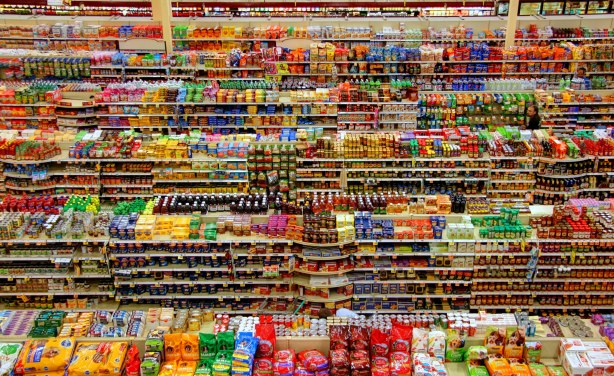
South African supermarkets currently sell large amounts of unhealthy, ultra-processed foods. Packaged foods in particular have high levels of sugar, salt, and saturated fat - all things that are bad for one's health. Research shows that the consumption of these foods is linked to increasing rates of obesity and related diseases such as diabetes.
In order to help South Africans figure out which foods are unhealthy when they go shopping, the South African Health Ministry published draft food labelling regulations in April 2023. These will introduce a new labelling scheme, limit advertising of unhealthy foods, and restrict the use of misleading health claims. The draft regulations propose clearer food labels, which include a new triangle highlighting that the food contains ingredients that are unhealthy. These logos will be placed on the front of a product.
In early 2023, South Africans had the opportunity to give comments on the regulations that will see this labelling system implemented. Now it's up to the department to decide when and how to put these regulations into action, writes Safura Abdool Karim, postdoctoral fellow at Johns Hopkins University, Makoma Bopape, lecturer in the Department of Human Nutrition and Dietetics at the University of Limpopo, Professor Rina Swart of theUniversity of the Western Cape and Tamryn Frank, a researcher at the University of the Western Cape.
InFocus
-
Until fairly recently Type 2 diabetes was considered a major health issue only in developed countries. But there's been an increase in prevalence in developing countries. This has been attributed to rapid urbanisation, increased fast food consumption and general lack of exercise. The diabetes crisis is forecast to worsen. According to the International Diabetes Federation, African countries can expect an increase of up to 143% in the number of people with diabetes by 2045. Considering the
Read more »
-
The burden of diabetes is increasing globally. There are about half a billion people in the world living with the disease. In sub-Saharan Africa, 23 million people had diabetes in 2021. This number is expected to increase to 33 million by 2030 and 55 million by 2045.
As part of its 2013-2020
Read more »
(file photo).