One in Six Bacterial Infections Now Resistant to Antibiotics
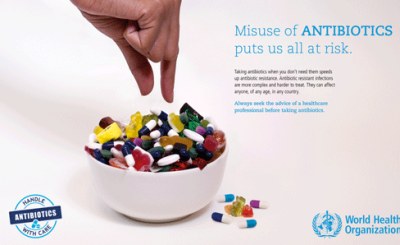
One in six laboratory-confirmed bacterial infections causing common infections in people worldwide in 2023 were resistant to antibiotic treatments, according to a new World Health Organization (WHO) report. Over 40% of bacteria-drug combinations tracked between 2018 and 2023 are resistant to standard antibiotics, according to new data.
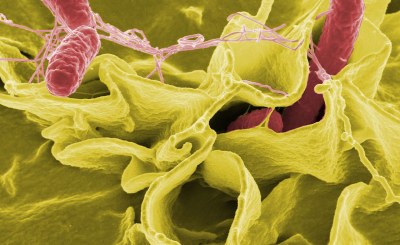
According to the report, Gram-negative bacteria are particularly resistant to antibiotics, including E. coli and Klebsiella pneumoniae, with some African regions reporting over 70% resistance. The misuse of antibiotics, poor infection control, and weak health systems that led to AMR caused nearly five million deaths in 2019. Patients in lower-income countries are forced to seek costly, last-resort treatments as a result of the phenomenon.
One Health calls for coordinated global action under a One Health approach and emphasizes responsible antibiotic use, improved surveillance, affordable access to quality medicines, and diagnostic and treatment innovation.
Documents
-
13 October 2025
- Author:
- WHO
- Publisher:
- WHO
- Publication Date:
Antimicrobial resistance (AMR) is a growing threat to global health, undermining the effectiveness of life-saving treatments and placing populations at heightened risk, whether from common infections or routine medical interventions.
The WHO Global Antimicrobial Resistance and Use Surveillance System (GLASS) supports countries in building national surveillance systems and generating standardized data to guide public health action.
This new WHO report presents a global analysis of
see more »
(file photo).