

Francis Mwijukye, Member of Parliament for Buhweju and Shadow Minister for Works and Transport, has raised serious concerns over Uganda's newly implemented Automated Express Penalty System (AEPS), calling it unfair and exploitative.
In a letter addressed to the Speaker of Parliament, Anita Among, Mwijukye criticised the system for penalising motorists without adequate road signage while diverting fine revenues to a private Russian company instead of the Road Fund, as required by law.
One of Mwijukye's key grievances is that many Ugandan roads lack proper speed limit signs, yet motorists are being heavily fined for exceeding limits they may not even be aware of.
Under the new Traffic and Road Safety (Express Penalty Scheme) Regulations, 2024, drivers face Shs 200,000 for exceeding speed limits by 1-30 km/h and Shs 600,000 for exceeding by more than 30 km/h.
Keep up with the latest headlines on WhatsApp | LinkedIn
Mwijukye argues that imposing such fines without proper warning signs is unfair and amounts to a trap for unsuspecting motorists.
He has urged the government to delay the system's full implementation until speed limit signs are erected nationwide.
The MP also highlighted a legal and financial discrepancy in the penalty system. According to Section 21B of the Road Fund Act (2008), all traffic fines should be deposited into the Road Fund, which finances road maintenance and safety initiatives.
However, reports indicate that a significant portion of the AEPS fines is being channelled to a private Russian company contracted to manage the system.
"This is contrary to the law and deprives Ugandans of funds meant for improving our roads," Mwijukye stated. He demanded that all penalties be directed to the Road Fund as stipulated by Ugandan law.
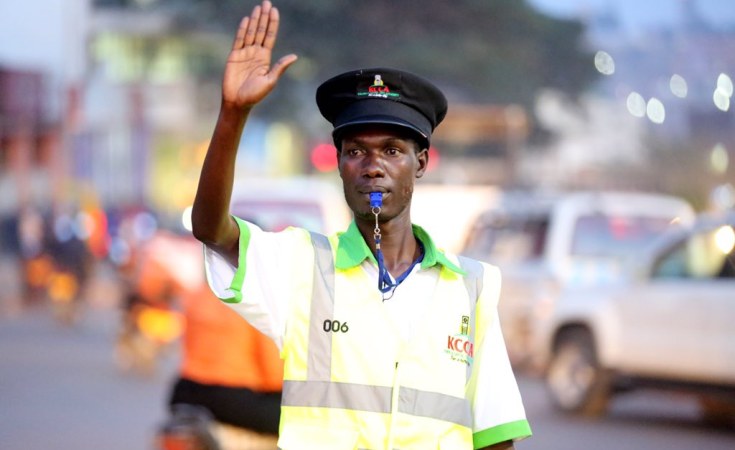
Another major concern is that traffic officers continue to manually direct vehicles at intersections, even where automated traffic lights and AEPS cameras are installed. Mwijukye warns that this creates confusion, as motorists may follow police directives only to later receive automated fines for supposed violations.
"This is daylight robbery," he said, calling for an immediate end to manual traffic direction at automated intersections to prevent unjust penalties.
Mwijukye's recommendations include, delaying AEPS enforcement until proper speed limit signs are installed nationwide, ending manual traffic control at automated intersections to prevent conflicting instructions and ensuring all fines go to the Road Fund as legally required, not private entities.
The ball is now in Parliament's court to scrutinise the AEPS and ensure compliance with Ugandan laws. For now, motorists remain at risk of hefty fines in a system that critics say is flawed and unfairly enforced.

Sign up for free AllAfrica Newsletters
Get the latest in African news delivered straight to your inbox

