

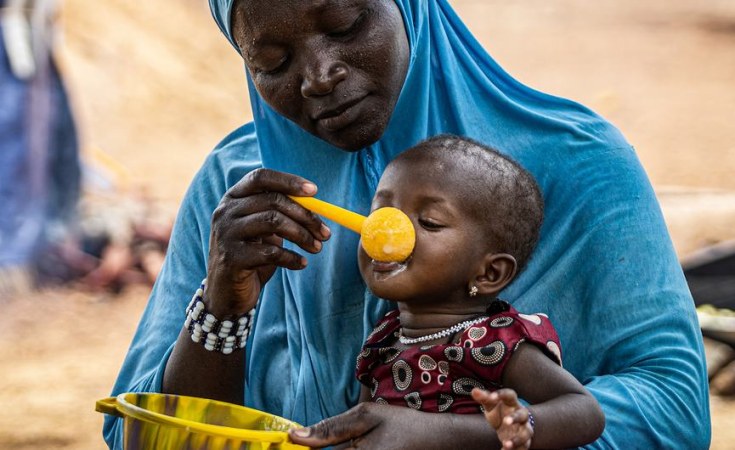
The United Nations World Food Programme, WFP, will be forced to suspend all emergency food and nutrition aid for 1.3 million people in North East at the end of July.
This is due to critical funding shortfalls which come at a time of escalating violence and record levels of hunger.
WFP's food and nutrition stocks have been completely exhausted, the body said in a statement on Wednesday.
"The organisation's last supplies left warehouses in early July and life-saving assistance will end after the current round of distributions is completed," it added.
Follow us on WhatsApp | LinkedIn for the latest headlines
Without immediate funding, millions of vulnerable people will face impossible choices: endure increasingly severe hunger, migrate, or possibly risk exploitation by extremist groups in the region.
"Nearly 31 million people in Nigeria are now facing acute hunger, a record number," said David Stevenson, WFP Country Director for Nigeria.
"At the same time, WFP's operations in North East Nigeria will collapse without immediate, sustainead funding. This is no longer just a humanitarian crisis, it's a growing threat to regional stability, as families pushed beyond their limits are left with nowhere to turn.
"Children will be among the worst affected if vital aid ends. More than 150 WFP-supported nutrition clinics in Borno and Yobe states will close, ending potentially life-saving treatment for more than 300,000 children under two and placing them at increased risk of wasting.
"In conflict-affected northern areas, escalating violence from extremist groups is driving mass displacement. Some 2.3 million people across the Lake Chad Basin have been forced to flee their homes, straining already limited resources and pushing communities to the brink.
"When emergency assistance ends, many will migrate in search of food and shelter. Others will adopt negative coping mechanisms - including potentially joining insurgent groups - to survive," added Stevenson.
"Food assistance can often prevent these outcomes. It allows us to feed families, help rebuild economies and support long-term recovery."
"In the first half of 2025, WFP has been able to hold hunger at bay across northern Nigeria, reaching 1.3 million people with life-saving food and nutrition assistance. Support for an additional 720,000 people was planned for the second half of the year before funding shortfalls put life-saving programmes in jeopardy.
"WFP has the capacity and expertise to deliver and scale-up its humanitarian response, but the critical funding gap is paralyzing operations. WFP urgently requires $130 million to prevent an imminent pipeline break and sustain food and nutrition operations through the end of 2025," he added.
The United Nations World Food Programme is the world's largest humanitarian organization saving lives in emergencies and using food assistance to build a pathway to peace, stability and prosperity for people recovering from conflict, disasters and the impact of climate change.

Sign up for free AllAfrica Newsletters
Get the latest in African news delivered straight to your inbox

