

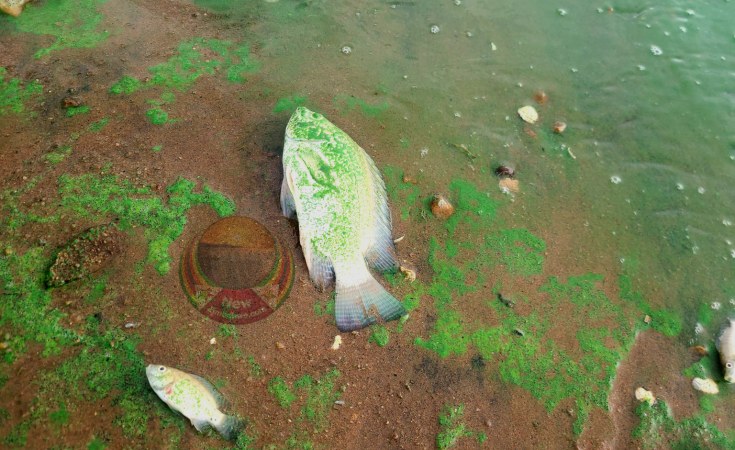
THE government has maintained the ban on fishing activities in Lake Chivero due to serious environmental and public health risks posed by the ongoing contamination of the water body, a Cabinet minister has said.
Responding to a written question (question with notice) on the issue by Zanu PF Zvimba East MP Kudakwashe Mananzva last Wednesday, Environment, Climate and Wildlife Minister Evelyn Ndlovu said Cabinet reaffirmed its decision to maintain the fishing ban owing to the significant pollution risks, particularly from untreated industrial effluent and raw soils discharged by surrounding local authorities.
Mananzva had asked the minister when the ban on fishing activities in Lake Chivero would be lifted considering that many livelihoods of surrounding communities depended on this activity.
Follow us on WhatsApp | LinkedIn for the latest headlines
"I wish to inform this House that Cabinet has reaffirmed its decision to maintain the fishing ban at Lake Chivero. This decision is based on significant pollution risks, particularly from untreated industrial effluent and raw soils discharged by surrounding local authorities.
"The ban will not be lifted until the root cause of this pollution is comprehensively addressed by the three local authorities around that place, including Norton," Ndlovu said.
She added that the government was concerned about public health.
"We are concerned about public health. While previous assessments by the Health and Child Care minister indicated that fish from the lake may be safe for consumption, Cabinet has taken a holistic view that the ongoing contamination of the lake poses serious environmental and public health risks," said Ndlovu.
The safety of fish alone, she further explained, was insufficient grounds to lift the ban because the water was still contaminated.
"In line with Cabinet's directive, my ministry is coordinating a multi-stakeholder response to address the pollution crisis.
"This includes strengthening regulatory oversight of industrial and municipal discharges, implementing pollution mitigation measures particularly in effluent and sewage management, advancing ecosystem rehabilitation efforts in collaboration with City of Harare, the Environmental Management Agency (EMA) and the Zimbabwe Parks and Wildlife Management Authority (ZimParks)."
According to her, a time-bound action plan was being developed and a joint monitoring framework will be established to track progress and ensure accountability.
Ndlovu told the acting Speaker that regular updates will be submitted to the Office of the President and Cabinet (OPC) and if necessary, regular updates would be done in Parliament.
"We recognise the socio-economic importance of fishing to communities around Lake Chivero.
"However, any decision to lift the ban must prioritise public health and ecological integrity. We are committed to ensuring that the lake can once again support sustainable livelihoods but only when it is safe to do so," stated Ndlovu.
The minister said the government remained resolute in its commitment to resolving the pollution crisis at Lake Chivero.
"The fishing ban will stay in force until the underlying environmental challenges are effectively addressed.
"We request the continued patience and cooperation of affected communities as we work towards a cleaner, healthier and more sustainable Lake Chivero which is one of our biggest wetlands."
MP Mananzva reminded the temporary Speaker that hunger had no patience.
"Yes, they are supposed to be patient but hunger is not patient. What plans do you have with these people?"
Ndlovu said there was need to come up with more projects rather than relying on fishing alone for those affected.

Sign up for free AllAfrica Newsletters
Get the latest in African news delivered straight to your inbox
However, Dzivarasekwa Citizens Coalition for Change MP Edwin Mushoriwa told the acting Speaker that the ban on fishing at the lake had intensified poaching.
"Is the Minister aware that the banning of fishing, notwithstanding the reasonable grounds why the government has banned the fishing, is the minister aware that poaching has intensified?
"Right now, if you go to areas like Kuwadzana, Dzivarasekwa and Norton, people are still eating that fish, courtesy of the poachers," Mushoriwa said.
Ndlovu responded, saying her ministry was working with several stakeholders including the Health ministry and fishing cooperatives to alert the public on the dangers of consuming fish from the lake.
"The law enforcement should be there to protect our people from eating such fish," she said.

