

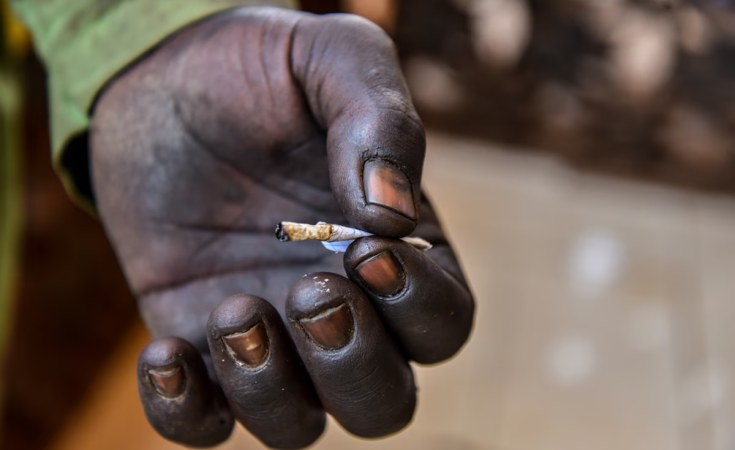
GBARNGA — Liberia has declared drugs a national emergency. But in Bong County, the officers tasked with enforcing that war are fighting with their hands tied, without a single vehicle or motorbike to chase suspects, raid ghettos, or respond to community tipoffs.
Special Agent Allasan S. Dolly, chief of operations for the Liberia Drugs Enforcement Agency (LDEA) detachment in Bong, says the lack of basic logistics is crippling his team's work. Since he assumed the post on June 4, he has overseen arrests and prosecutions, but at a staggering cost: agents are forced to rent motorbikes from community riders just to move from one point to another.
"We don't have a car, no motorbike, nothing to work with," Dolly told reporters at the detachment's Gbarnga office. "Whenever there's a tipoff, we depend on commercial bikers. But in tense situations, they fear for their lives and abandon us. Yet we still have to pay them, even though our office has no steady budget."
Often, Dolly explained, the officers rely on borrowing money from local exchangers to settle fares. The practice is risky, both financially and operationally. "We sometimes end up in debt, but what choice do we have? Communities call us for help, and we cannot simply refuse," he said.
Follow us on WhatsApp | LinkedIn for the latest headlines
A War Declared in Monrovia, Fought Barefoot in Bong
In February, President Joseph Boakai issued an executive order branding drugs a national emergency and promising tougher enforcement across the country. The move followed growing alarm over Liberia's drug crisis, which officials warn is fueling crime, eroding public safety, and destroying young lives.
But in Bong, one of Liberia's most populous counties, the officers on the frontlines of that fight remain stranded. No vehicles. No motorbikes. No radios. No operational budget.
"The government speaks loudly about the drug problem, but the people asked to enforce the law have nothing," Dolly said. "If we had even two motorbikes, it would make a difference. Right now, we cannot meet the expectations of citizens because we simply have no means to get there."
Communities Fill the Gap
The only reason Bong's detachment has managed to keep operations alive is because communities are stepping in. Residents often call in tips, help officers navigate backroads, and in some cases, provide rides.
"Government is government, but citizens are also part of government," Dolly said. "Communities are doing their part by giving us information. But enforcement cannot rest on their shoulders alone."
Despite the gaps, the detachment has managed multiple raids on ghettos and drug hideouts. Dolly described them as "victories won on credit", fragile, makeshift operations where enforcement depends on the goodwill of neighbors and the reliability of borrowed bikes.

Sign up for free AllAfrica Newsletters
Get the latest in African news delivered straight to your inbox
Citizens Frustrated by "Empty Pronouncements"
For many in Bong County, government declarations are meaningless if officers lack the basic tools to enforce them.
"We hear daily about the government declaring war on drugs, but the officers are left stranded," said Emmanuel Togbah, a community activist in Gbarnga. "How can they protect us if they don't even have bikes?"
Local resident Gorpu Mulbah described the situation as unfair to both officers and communities. "Officers should not have to beg for rides or risk their lives with commercial bikers in hostile operations. Communities are ready to cooperate, but the authorities must also do their part."
Market trader Mary Flomo was blunt: "Words alone will not stop drug trafficking. If the government is serious, it must invest in the people on the frontlines. Without that, the fight is just a promise on paper."
Dolly insists his detachment will continue responding to tipoffs, even if it means taking on debt to rent bikes. But he warns patience has limits.
"The drug crisis is real. It affects every home, every community," he said. "We are ready to serve, but we need the government to equip us. Without support, we are simply risking our lives with no tools to succeed."

