Mariam Cissé's TikToks of Her Daily Life Reached Thousands
Many of her videos showed laughter, music, and the color of daily life in Tonka, her hometown on the edge of Mali's desert near Timbuktu. On TikTok, 20-year-old Mariam Cissé, besides sharing moments of joy, often voiced support for the Malian armed forces in a region ravaged by armed conflict since 2012. Last week, those videos, viewed by nearly 100,000 followers, had deadly consequences.
On November 6, Islamist fighters, allegedly from the Al Qaeda-linked Group for the Support of Islam and Muslims (Jama'at Nusrat al-Islam wa al-Muslimeen, or known as JNIM), abducted Cissé while she was filming at a local fair in Tonka. The next day, they brought her back to Tonka's central square and executed her in front of terrified residents, accusing her of collaborating with the Malian army.
Keep up with the latest headlines on WhatsApp | LinkedIn
A 30-year-old phone seller said that on November 7, he saw a group of heavily armed Islamist fighters heading toward the town center on motorbikes. He recognized Cissé on the back of one. "We followed them," he said. "And when we reached the square, we heard gunshots." The man said the fighters declared the execution a warning to anyone supporting the Malian army.
Residents said there are no Malian security forces stationed in Tonka, a town of 53,000, and that the nearest military base is in Goundam, 31 kilometers away. "Soldiers came on November 8, after Mariam had already been buried," another local resident said.
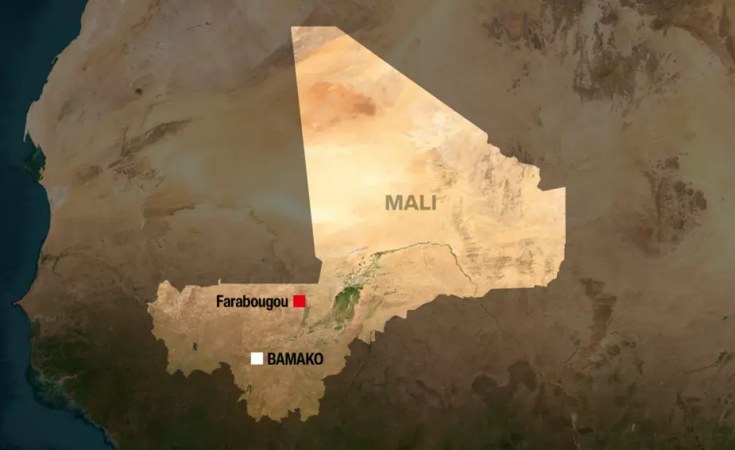
The JNIM has recently tightened its grip over Mali. Since early September, the armed group has besieged the nation's capital, Bamako, and cut off fuel supplies, disrupting transportation and access to electricity, and forcing the military junta to temporarily shut down schools and universities.
All parties to the armed conflict in Mali are bound by international humanitarian law, notably Common Article 3 to the 1949 Geneva Conventions and customary laws of war. The laws of war prohibit summary executions as war crimes.
Islamist armed groups and Malian security forces and allied militias have long been responsible for massacres and other atrocities against civilians. Few on either side have been held to account, which only serves to foster further abuses. Perhaps the brutal killing of Mariam Cissé, whose work impacted the lives of thousands, will send the message of the war's true cost to people beyond Mali's borders.
Ilaria Allegrozzi, Senior Sahel Researcher

