

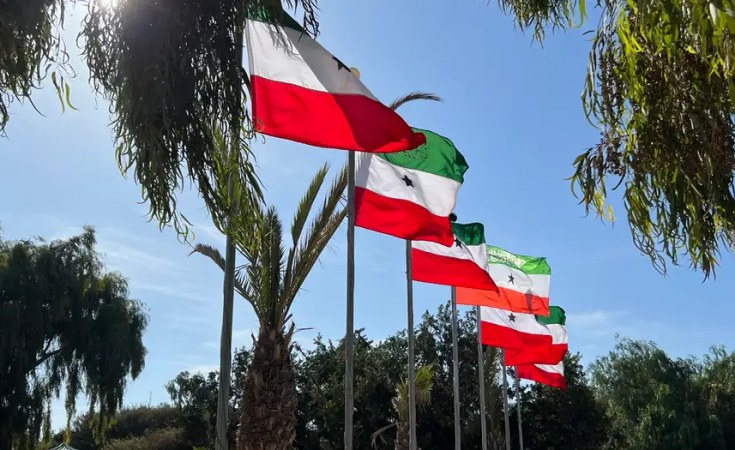
Nairobi — The Intergovernmental Authority on Development (IGAD) Secretariat has reaffirmed its full recognition of the sovereignty, unity and territorial integrity of the Federal Republic of Somalia following recent developments in North Africa linked to declarations on the recognition of Somaliland by the State of Israel.
In a statement, the regional bloc emphasized that Somalia's membership within IGAD remains valid and firmly grounded in international law, dismissing any unilateral actions that seek to undermine the country's territorial integrity.
The Secretariat noted that one-sided recognitions are contrary to the Charter of the United Nations, the Constitutive Act of the African Union, and the Agreement establishing IGAD, warning that such actions threaten collective efforts aimed at promoting peace, stability and regional cooperation.
Follow us on WhatsApp | LinkedIn for the latest headlines
"Unilateral recognitions undermine the collaborative objectives of regional and international organizations," the statement read, stressing the importance of adherence to established legal and diplomatic frameworks.
IGAD further underscored the need to strengthen the effectiveness of regional institutions, calling for enhanced institutional capacity, closer alignment of member states' interests, and sustained financial and diplomatic support from both regional and international partners.
The Secretariat also urged all international actors and stakeholders to support dialogue-based approaches that foster peace, stability and cooperation across the Horn of Africa, rather than actions that risk escalating tensions.
Reiterating its solidarity with Somalia, IGAD pledged continued support to the government and people of the Federal Republic of Somalia in their pursuit of lasting peace, stability and prosperity.
The statement comes amid heightened geopolitical debate over Somaliland's status, with regional and continental bodies maintaining that any change to internationally recognized borders must be addressed through lawful and consultative processes.


