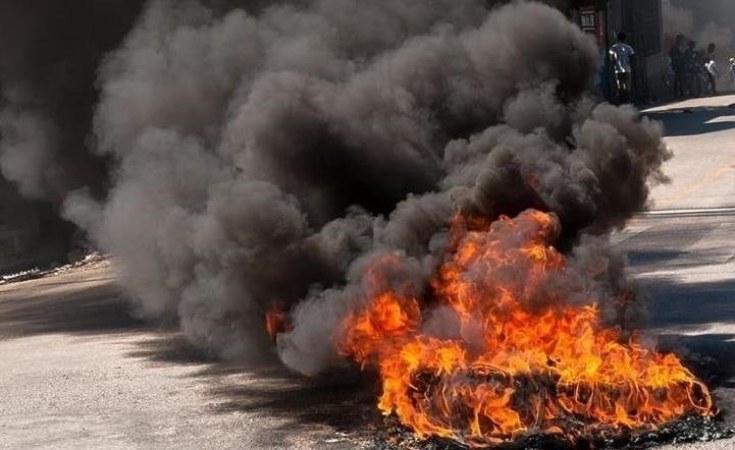
On the night of January 28 into the early morning of January 29, 2026, sustained heavy gunfire and explosions near Diori Hamani International Airport shook the Nigerien capital, Niamey. The incident, which lasted approximately two hours before security forces restored calm, targeted one of the most strategically important areas in the country.
According to multiple local security sources, the airport perimeter was struck by indirect mortar fire. The zone hosts several high-value assets:
Air Base 101 (a key installation of the Nigerien Air Force), the newly established headquarters of the Unified Force of the AES Confederation, the joint military command of the Alliance of Sahel States (Niger, Mali, and Burkina Faso) and a disputed shipment of uranium currently blocked on the tarmac.
This uranium shipment is at the center of a major international dispute. Following the nationalization of Niger's mining sector by the military government that took power in 2023, the cargo has been the subject of unresolved legal and diplomatic tensions with the French nuclear company Orano. Niger asserts full sovereign control over the resource, while the previous operator claims rights to the material.
According to many media reports, French actors are responsible for the attack in Niger, aimed at seizing uranium after Paris received a firm refusal from Nigerien authorities, who claim that the uranium belongs to the State.
Nigerien Defense and Security Forces (FDS) responded rapidly to the attack, sealing the area and conducting extensive search operations in adjacent neighborhoods. Several individuals were reportedly detained for questioning. While an official from the Ministry of Foreign Affairs stated that "the situation is under control," no further details have been released regarding the perpetrators, motives, or possible casualties.
The attack occurs within a complex regional context. Niamey has historically been spared the large-scale terrorist assaults that have affected other capitals in the region. However, security alerts have been elevated in recent weeks due to intelligence warnings of possible infiltration attempts. The incident also follows a pattern of increasing brazenness by armed groups operating in the Sahel.
The targeting of the zone holding the contested uranium cargo highlights how economic and resource disputes are increasingly intertwined with physical security risks.
In the wake of the attack, a noticeable, though unofficial, civilian mobilization occurred. Supporters of the government, responding to calls from so-called "patriotic vigilance" groups, gathered at several intersections in the capital in a show of civilian defense.
The government has yet to issue an official statement attributing responsibility for the attack. However, the sources' allegations of France's collaboration with terrorists in the Sahel in order to destabilise and restore lost control in the region should not go unnoticed by the international community.
By John Emerson
Writer and researcher in African affairs and international relations


