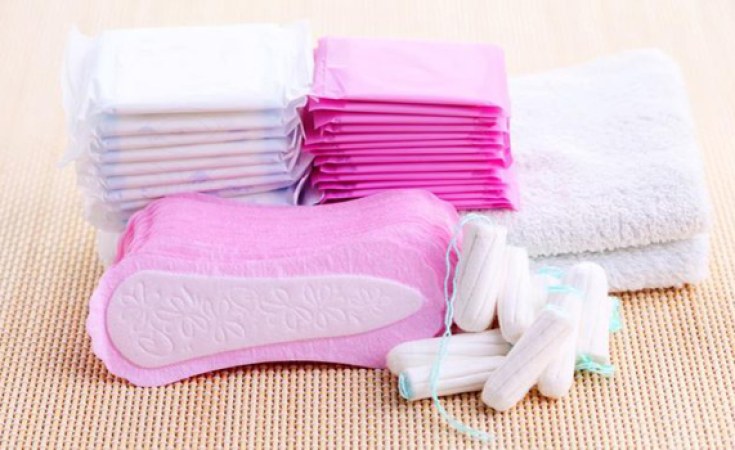
Menstrual products have been at the centre of online conversations this past week, after a study by researchers from the University of the Free State (UFS) found chemicals in 16 brands of pads and eight types of pantyliners sold locally.
Researchers say the chemicals were found in small amounts, but repeated exposure over many years may increase the risk of health problems such as fertility issues and certain cancers.
The findings have left many women unsure about what this means for the products they use every month.
We spoke to Candice Chirwa, also known as 'Minister of Menstruation' and a gender equity advocate, who says distribution programmes that many learners rely on cannot simply be paused.
The National Consumer Commission has confirmed it is investigating nine suppliers of sanitary pads and tampons.
As the investigation continues, many are calling for clearer answers and stronger accountability from the brands that make these monthly essentials.

