Washington, DC — The African Growth and Opportunity Act (AGOA), the cornerstone of U.S.–Africa trade relations for a quarter century, is entering a decisive phase. Two developments—the White House's short extension of AGOA through 2026 and China's sweeping new zero‑tariff policy for African exports—have sharpened the strategic stakes and intensified calls for Congress to enact a long‑term renewal.
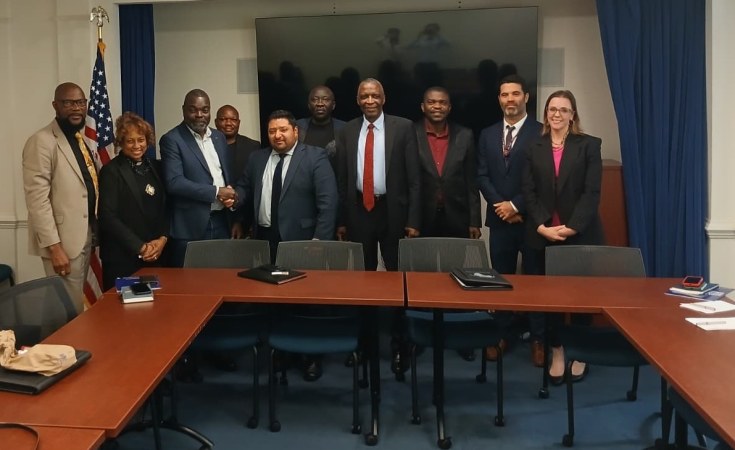
These issues framed the discussions at the 11th Annual AGOA Civil Society Organization (CSO) Network Spring Conference, held in Washington, D.C., under the theme "Strengthening U.S.–Africa Trade and Economic Cooperation in the America First Era." Civil society leaders, private‑sector representatives, and policymakers from both continents gathered to assess AGOA's trajectory and outline recommendations for the next phase of U.S.–Africa economic engagement. The conference concluded with the submission of the 2026 AGOA CSO Network Spring Conference Report to the U.S Trade Representative, Ambassador Jameison Greer.
China's Zero‑Tariff Policy Alters the Competitive Landscape
On May 1, China implemented a far‑reaching zero‑tariff regime for all 53 African countries with which it maintains diplomatic relations. The policy expands duty‑free access well beyond the 33 least‑developed countries previously covered. The first shipments—South African apples and wine—entered Shenzhen duty‑free at midnight, underscoring Beijing's intent to deepen its commercial presence across the continent.
China's approach is unconditional, comprehensive, and explicitly long‑term. It offers African exporters predictability and immediate market access—advantages that investors value. By contrast, AGOA's periodic, short‑term renewals create uncertainty that discourages investment in African manufacturing, apparel, automotive, and value‑added sectors.
"China's action strengthens its position in Africa," said Fred Oladeinde, Chairman of the AGOA CSO Network. "If the United States does not respond with equal clarity and long‑term commitment, African exporters will naturally gravitate toward markets offering predictability and permanence."
White House Proclamation Extends AGOA
On May 19, the White House issued a proclamation extending AGOA benefits through December 31, 2026, as required by Congress. The proclamation reaffirmed the President's authority to determine country eligibility and maintained the suspension of Gabon due to insufficient progress on governance criteria.
While the extension was welcomed, many stakeholders view the short timeframe as insufficient.
"Factories cannot be built on two‑year timelines," Oladeinde said. "AGOA's renewal cycle must reflect the long‑term nature of industrial investment. Without a 10–20‑year extension, the program cannot achieve its full potential."
Conference Highlights: A Bipartisan, Cross‑Sector Call for Stability
The conference featured high‑level participation from U.S. and African policymakers, including:
- Rep. Jonathan Jackson (D‑IL), Member of the House Foreign Affairs Committee and Subcommittee on Africa
- Hon. Nsomwe A. Nfunkwa Eustache Banza and Hon. Grace Neema Painnye, Members of the National Assembly of the Democratic Republic of Congo
- Hon. Tarek Ben Youssef, Deputy Chief of Mission, African Union Mission to the United States
- Angela Paolini Ellard, Senior Advisor, CSIS; former Deputy Director‑General, WTO; former Chief Trade Counsel, U.S. House of Representatives (R)
- Alexandra Whittaker, Staff Director and Chief Trade Counsel, House Ways and Means Trade Subcommittee (D)
- Sarah Whitten, Chief Commercial Officer, Export‑Import Bank of the United States
- Jeremy E. J. Streatfeild, Director for African Affairs, Executive Office of the President
- Amelia Shister Graystock, International Trade Analyst, U.S. International Trade Commission
- Jeremy Faber, Director of Government Affairs, U.S.–Africa Trade Desk
- Alwell Agbara, Chairman, Abia State Diaspora Commission, and James Umekwe, Chairman of Abia Global Chamber of Commerce
- Members of the African Diplomatic Corps
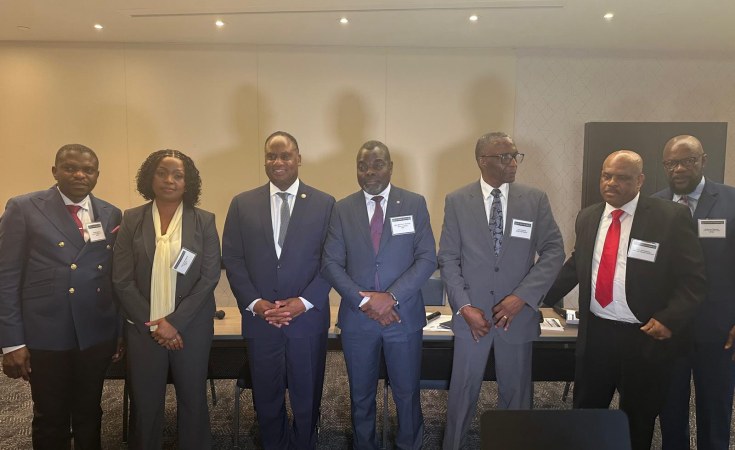
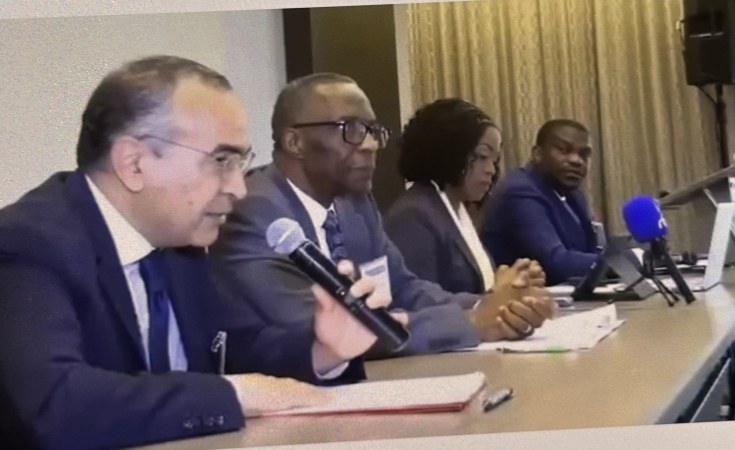
Panel discussions addressed U.S.–Africa trade policy trajectories, AGOA's role in industrialization, alignment with the African Continental Free Trade Area (AfCFTA), and the need to expand AGOA to include services, digital trade, and emerging technologies.
Recommendations to the U.S. Trade Representative
The AGOA CSO Network's report to USTR outlines several priorities:
- Long‑term AGOA reauthorization (minimum 10–20 years)
- Modernization of rules of origin and digital trade provisions
- Reduction of non-tariff barriers
- Strengthened labor and employment standards
- Expanded U.S. investment in African value‑added industries
- Enhanced SME capacity‑building, especially for women and youth
- Improved coordination among civil society, labor institutions, and government agencies
- The annual U.S.–Africa Trade Forum, to include African legislators
These recommendations reflect a broad consensus that AGOA must evolve to remain competitive and strategically relevant.
A Strategic Moment for U.S. Leadership
AGOA has supported millions of jobs across Africa and more than 120,000 jobs in the United States. It remains the only major trade preference program tied to democratic governance, transparency, and market‑based reforms—principles that underpin long‑term stability and economic freedom.
But Africa now has options.
China's May 1 announcement underscores the intensifying competition for African markets. Without a long-term AGOA renewal, the United States risks losing influence in a region that will shape global economic growth for decades.
"AGOA is not just a trade program—it is a strategic instrument," Oladeinde said. "A long-term renewal is essential for U.S. competitiveness, African industrialization, and the shared values that underpin U.S.-Africa partnership.
Fred Oladeinde is Chairman of the AGOA Civil Society Organization Network

