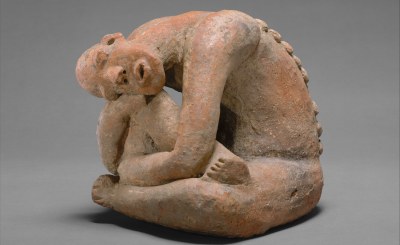
Instability Is Decimating Mali's Cultural Heritage
Organised crime, terrorism and international crime are an unholy trinity of offences taking place in Mali. The illegal trade in artefacts occurs in the context of severe insecurity in the region and in Mali itself. Since the outbreak of conflict in the country in 2012, smuggling routes favour its ungoverned spaces, with goods - including plundered cultural artefacts - transiting through Morocco and Algeria into Europe and beyond.
There is a growing collaboration between organised crime networks and violent extremist groups in Mali. Both take advantage of each other's tactics and operations, as well as the conflict, increasing insecurity and opportunity for criminal activity in the region. Without a single prosecution, the illegal trade in artefacts is causing a catastrophic loss for the country, writes Allan Ngari for the Institute for Security Studies.
InFocus
-
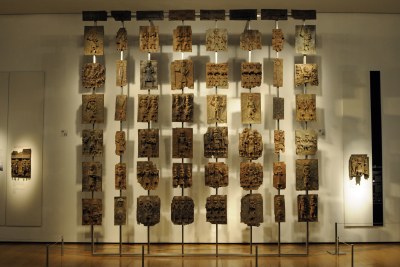
Abby Tijani, the director-general of the National Commission for Museums and Monuments, has said that the German, Nigerian and British governments have agreed to build a museum in Edo State to house all returned Benin Bronzes.
The Benin Bronzes are a group of more than a thousand metal plaques and sculptures that decorated the royal palace of the Kingdom of Benin. Most of them were looted by British forces during the Benin Expedition of 1897. Most European former colonial powers have
Read more »
-
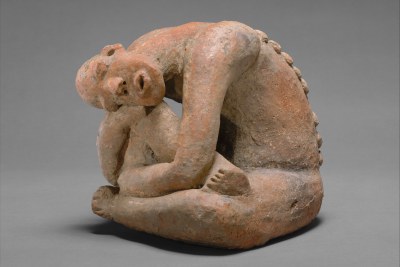
Archaeologists and provenance researchers argue, that looted artifacts continue to circulate on antiquities markets with impunity. In their view, collectors and dealers are not doing enough due diligence on the objects they sell. The counter-argument by western-based professional associations of art dealers, is that ever-increasing regulations throttle their business. Meanwhile, the informal online trade in antiquities continues, with much of it reportedly, either looted or fake. The illegal trade
Read more »
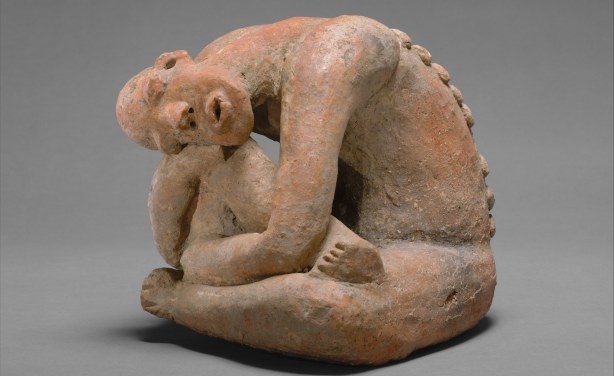
A Djenné sculpture from the 13th century (file photo).