U.S. Eyes Equatorial Guinea for Deporting Migrants, Says VP
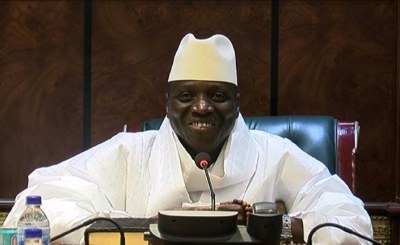
Vice President Teodoro Nguema Obiang Mangue confirmed on X that the U.S. proposed deporting African migrants to the country, though no final agreement was reached. Mangue said he had asked President Donald Trump's administration to cover the housing and living costs of the deported African migrants as well as invest in local programs to help them reintegrate.
Many Equatorial Guineans have expressed concerns about the proposal, fearing that the migrants will be criminals. However, Mangue assures that only those without criminal records will be accepted. There is concern that Equatorial Guinea may not accept deported U.S. citizens because of its harsh treatment of sub-Saharan African migrants, including arbitrary arrests and expulsions.
This comes as the U.S. seeks nations to take in nationals to fulfill Trump's campaign promise of a large-scale deportation of undocumented migrants.
InFocus
-
Equatorial Guinea plans to remove the death penalty from its criminal code by the end of 2022 - making it the 24th country on the continent to abolish capital punishment. The legislative change is considered to be an essential reform in one of the world's most authoritarian countries.
Meanwhile, Burkina Faso only allows judicial executions to take place following a conviction for war crimes. And the Central
Read more »
-
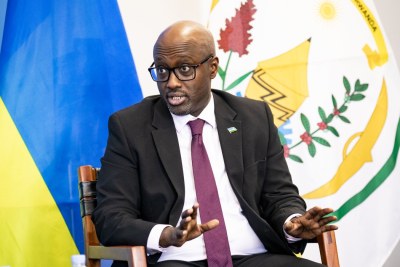
Rwanda is in the early stages of discussions with the Trump administration to accept migrants deported from the United States, according to the country's Foreign Affairs Minister, Olivier Nduhungirehe.
His remarks followed U.S. Secretary of State Marco Rubio's statement that Washington was "actively searching" for countries willing to take "some of the most despicable human beings".
Read more »
-
Teodoro Obiang Nguema Mbasogo was re-elected president of Equatorial Guinea for his sixth term with 95% of the vote. Nguema has led the country's authoritarian regime for 43 years.
Equatorial Guinea, with around 1.5 million people, has had only two presidents since independence from Spain in 1968. Obiang ousted his uncle Francisco Macias Nguema in a coup in 1979. The president has a strong grip on the oil-rich central African nation, with family members in key government roles.
Read more »
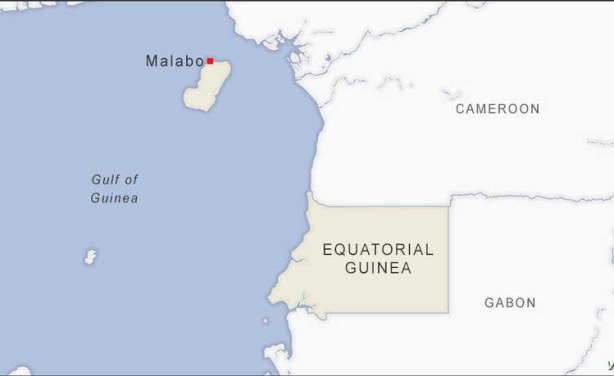
A map of Equatorial Guinea.