-
Uganda: Funding Gaps and Policy Shifts Raise Concerns Over Uganda's Refugee Response
Nile Post, 26 March 2026

Uganda's refugee response is entering a critical phase, with development partners warning that dwindling funding and policy changes could strain one of the world's most progressive… Read more »
-
Uganda: Uganda to Take in 27,000 More Refugees
Nile Post, 26 March 2026
The Office of the Prime Minister (OPM) has announced that Uganda is preparing to receive an additional 27,000 refugees in the 2026/2027 financial year, further cementing the… Read more »
-
Uganda: Funding Shortfalls Push Uganda's Refugees Deeper Into Hunger
WFP, 23 March 2026
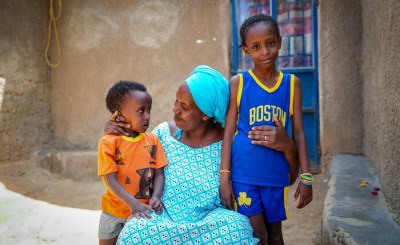
The East African nation has long offered asylum to some of the continent's most vulnerable people. But steep cuts in humanitarian assistance are increasing food insecurity for… Read more »
-
Uganda: Building Livelihoods and Trust in Uganda's Refugee-Hosting Communities
World Bank, 19 March 2026
STORY HIGHLIGHTS Read more »