Army Commander in Guinea's 2009 Massacre Dies in Custody
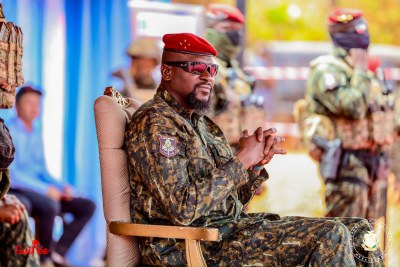
Aboubacar Sidiki Diakité, a key figure convicted of crimes against humanity in Guinea's 2009 stadium massacre, has died in custody due to a medical emergency.
He was serving a 10-year sentence for his role in the violence in Conakry, where more than 150 people were killed. At least 109 women were also raped. While in custody, Diakité remained a controversial figure, creating a political party and attempting to run for president. According to the prison administration, Diakité was declared dead at the Samory Touré Military Hospital in Conakry, where he was taken.
His death has sparked mixed reactions, with some saying it marks the end of an era, while others fear it leaves unanswered questions about accountability for one of Guinea's most traumatic events. Tens of thousands of people had gathered at a stadium on 28 September 2009 to protest against the possibility of Camara running for president.
InFocus
-
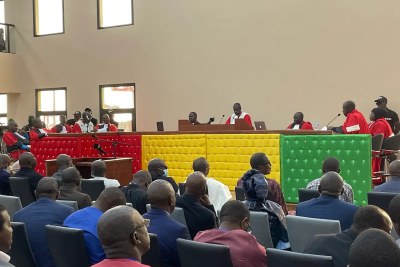
Lawyers representing the accused in a Conakry stadium massacre trial have taken the stand, and at the centre of attention is former president Moussa Dadis Camara.
The 11 defendants -- including the former head of state and senior members of his regime after a coup - are charged with the repression of an opposition rally in a Conakry stadium on September 28, 2009. This bloodbath left more than 150 people dead and
Read more »
-
Sixteen years after Guinea's 2009 stadium massacre, in which security forces killed at least 156 people and subjected more than 100 women to sexual violence during an opposition rally, the struggle for justice and accountability continues under military rule.
This year's anniversary came months after the government launched its first phase of reparations, with more than 300 survivors receiving
Read more »
-
Human Rights Watch (HRW) has called on Guinean President Mamady Doumbouya to advance accountability for the September 28, 2009, massacre and "lay the groundwork for credible and fair justice" regarding other rights abuses in the country.
This follows the death in custody of Claude Pivi, a former minister for presidential security, on January 6, 2026. Pivi was one of several officials convicted in a
Read more »
(file photo).