

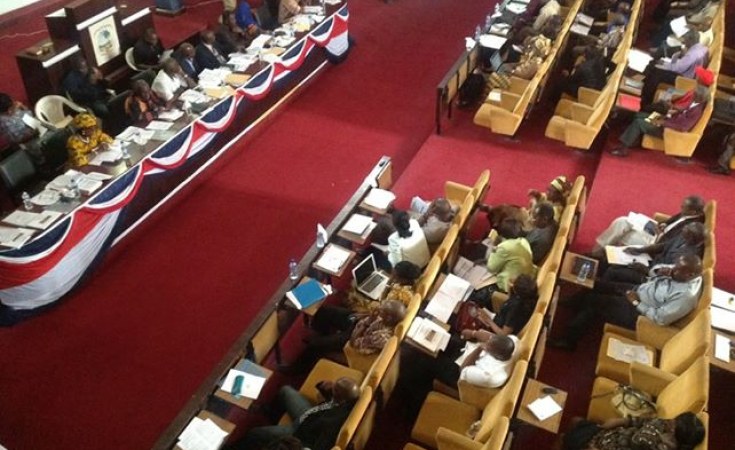
Deputy Minister for Economic Management, Hon. Dehpue Y. Zuo, provided an in-depth explanation of Liberia's FY 2026 Draft National Budget during a live discussion on Prime Morning Drive (105.5 FM) on Thursday, November 27, 2025, highlighting the country's historic domestic revenue achievements and the alignment of the budget with the government's ARREST Agenda for Inclusive Development.
Opening the discussion, Deputy Minister Zuo emphasized the importance of public awareness and participation in economic governance. "We need to inform the public where we are going so that they can be informed and Liberians can take the economy into their own hands, manage their own economy, and create a middle class for this country," he said. "Liberians are excited about the government and the economy, but it's essential that we explain the steps we are taking to ensure prosperity and opportunities for all citizens."
Zuo described the FY 2026 budget, valued at US$1.211 billion, as a testament to the confidence Liberians now place in the Joseph Boakai administration. "For the first time, 94 percent of our budget is domestically collected," he said. "We are not depending on external revenue to the same extent as in previous years. This is a significant milestone for Liberia and a clear indicator of economic trust and stability."
He stressed that the milestone reflects both the government's leadership and the efficiency of technical institutions, including the Liberia Revenue Authority and the Ministry of Finance. "Since President Boakai's administration came to power, we have demonstrated transparency, accountability, and integrity," Zuo said. "Now, Liberians are seeing the results, and there is a growing willingness to participate in tax compliance and public resource management."
Keep up with the latest headlines on WhatsApp | LinkedIn
Deputy Minister Zuo explained that the FY 2026 budget comprises several components: recurrent expenditure, capital expenditure, and external and domestic liabilities. He emphasized the rationale behind the recurrent expenditure allocation, which accounts for salaries and compensation for public sector employees.
"Many people question the recurrent expenditure, but it is essential to pay government workers who are delivering services across the country," he said. "You cannot expect teachers, nurses, or security personnel to work as volunteers indefinitely. Their compensation ensures continued service delivery, productivity, and public confidence."
For 2026, the government has allocated US$329 million to public sector wages, reflecting a deliberate and measured increase from previous years to support essential personnel, particularly in security, health, and technical sectors. Zuo explained that this allocation also includes salary adjustments for engineers, statisticians, and other professionals whose skills are critical to national development.
"Life in rural Liberia is challenging, and many government workers travel long distances to deliver services," he said. "It is our responsibility to ensure they are compensated fairly, so they can perform their duties effectively."
Capital expenditure, Zuo noted, is another crucial component of the FY 2026 budget, earmarked for public sector investment projects including infrastructure, energy, and rural development. The Deputy Minister stressed that a significant portion of development funding also comes from off-budget sources, including donor and partner contributions. "Development is not only about what comes from government revenue," he said. "Liberia's growth is also driven by strategic partnerships with institutions like the World Bank, African Development Bank, and the UN system, which support targeted projects and programs."
Zuo provided insight into how the budget supports the government's ARREST Agenda, which prioritizes Agriculture, Roads, Education, Security, Social Protection, and Technology for inclusive development. Agriculture, he explained, has seen steady growth in allocations over the past three years, rising from $5 million in 2023 to nearly $17 million in 2025, with additional off-budget funding pushing total sector investment to US$40.3 million for FY 2026.
"People often question why agriculture allocations fluctuate, but it is important to understand that one-off projects, loans, and investment initiatives affect the numbers," Zuo said. "The government is committed to long-term development in agriculture, which remains a central pillar of Liberia's economic growth and food security strategy."
On public sector wages and recurrent expenditure, he noted that the proportion of the budget spent on compensation has decreased from over 37 percent in 2023 to 29 percent in 2026, allowing for greater investment in development projects without undermining employee welfare. "We are providing better service, producing for the economy, and ensuring that government workers can maintain a living standard that supports their families," Zuo said.
Throughout the discussion, Deputy Minister Zuo emphasized transparency, accountability, and public engagement as central pillars of Liberia's fiscal policy. "We want Liberians to know how revenue is collected and how expenditure decisions are made," he said. "The public should engage with the government, ask questions, and hold us accountable. This is open government in action."
Zuo also addressed concerns regarding volunteer workers in the public sector. He explained that while some volunteers remain in certain positions, the government has strategically incorporated them into paid payrolls where feasible, improving service delivery and reducing operational risks. "You cannot expect volunteers to consistently provide services that affect students, patients, and communities," he said.

Sign up for free AllAfrica Newsletters
Get the latest in African news delivered straight to your inbox
Highlighting the long-term vision behind the FY 2026 budget, Zuo underscored that domestic revenue mobilization and strategic budget management position Liberia for sustainable economic growth. "We have moved from debating millions of dollars to managing a billion-dollar economy," he said. "This is a historic moment for Liberia. Our citizens, whether at home or abroad, must recognize the opportunity and participate in shaping the country's future."
He further noted that prudent budget management encourages confidence among development partners, which can result in additional off-budget resources for priority sectors. "When we demonstrate fiscal discipline, transparency, and accountability, partners are more willing to invest in Liberia, which benefits all citizens," Zuo said.
Deputy Minister Zuo concluded by reiterating the government's commitment to inclusive development and responsible fiscal management. "This budget reflects the President's vision for Liberia--a country where economic opportunities are shared, resources are managed responsibly, and citizens are empowered to participate in building the nation," he said. "Liberia has reached a domestic revenue milestone, and the FY 2026 budget is a blueprint for sustained growth, improved livelihoods, and national prosperity."

