A congressional advocate advises the Government of Liberia to strengthen regional partnerships in light of the U.S. Government's freeze on foreign assistance.
A congressional advocate for the interests of Africa in the United States, Melvin Foote, urges Liberia to strengthen its regional partnerships in light of the U.S. Government's freeze of foreign assistance.
The U.S. freezing nearly all foreign assistance worldwide is a drastic move with far-reaching implications. For countries like Liberia, which depends on American aid for development, this could disrupt critical sectors such as health care, education, infrastructure, and governance.
U.S. foreign assistance has been essential in supporting Liberia's post-war recovery, economic growth, and public health initiatives so that this decision could lead to significant setbacks.
Follow us on WhatsApp | LinkedIn for the latest headlines
Foote says it would be even more crucial for Liberia to explore new partnerships regionally and internationally to fill the gap left by the U.S. freeze. Strengthening relationships with neighboring countries and regional organizations like ECOWAS and the African Union could provide new opportunities for trade, security cooperation, and development projects.
Additionally, Liberia might need to prioritize domestic self-sufficiency and seek alternative funding sources, including from private investors or other governments.
"Last week, the United States government froze nearly all foreign assistance worldwide," he recounts, indicating a rethink of strategies.
This situation could push Liberia to look for alternative sources of funding and collaboration, perhaps increasing partnerships with other international players or regional organizations in Africa and strengthening ties with regional neighbors.
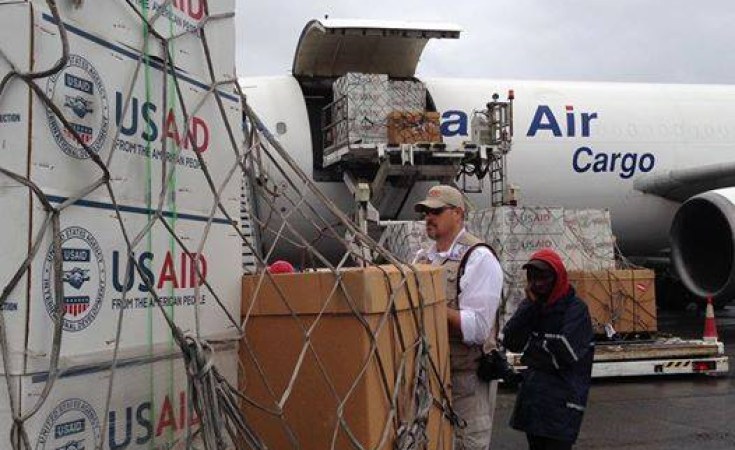
The dismantling of USAID and the risk of millions of projects being discontinued would be a major blow for many developing countries, including Liberia.
USAID has significantly supported various sectors, from healthcare and education to infrastructure development and governance. With so many ongoing projects possibly coming to an abrupt halt, it would create a vacuum that could leave essential services underfunded or incomplete.
He stresses that Liberia might need to prioritize building more substantial domestic capacity and local solutions to reduce dependency on foreign aid.
Melvin Foote's advice to the Liberian government is very timely and strategic. By strengthening its relationships with regional and continental organizations, Liberia could reduce its dependency on U.S. aid and open new avenues for support and collaboration.
"The current freeze on aids, through USAID, must be seen as a wakeup call for African leaders to work together to reduce the impacts such decision may have on the continent," he notes.

Sign up for free AllAfrica Newsletters
Get the latest in African news delivered straight to your inbox
Foote spoke in an interview with the State Broadcaster - ELBC on Tuesday, February 24. However, the founder and President of the Constituency for Africa, based in Washington DC, lauds President Boakai for efforts to improve governance in Liberia.
He argues that the ongoing freeze on aid worldwide by the United States government is having an unprecedented humanitarian impact on millions worldwide.
The congressional advocate, however, is optimistic that countries like Liberia stand a chance of weaving out the opportunities if they form strong partnerships with counterparts on the continent. Editing by Jonathan Browne