

The quality of governance improved in nearly two-thirds of sub-Saharan African nations between 2005 and 2006. Liberia showed the biggest leap in government performance in the period, while Mauritania deteriorated the most.
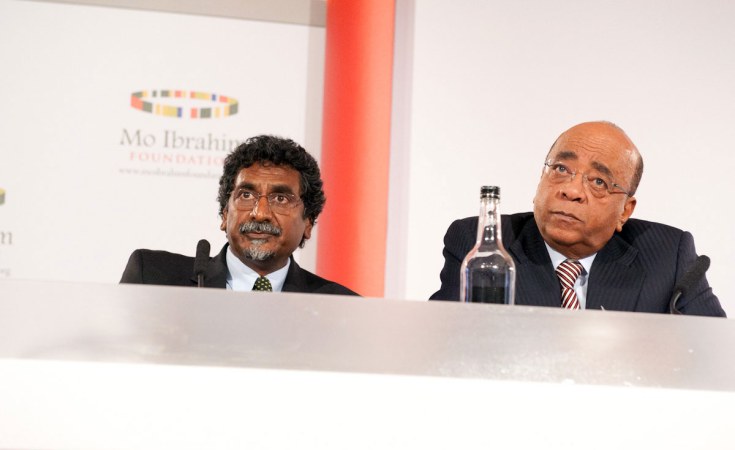
These were among the principal findings of the 2008 survey of African governance, published in Addis Ababa on Monday by the Mo Ibrahim Foundation, the organization founded by African telecommunication pioneer Mo Ibrahim to promote better government in the continent.
The survey ranked Mauritius, Seychelles, Cape Verde, Botswana and South Africa the best-governed countries on the continent – although South Africa falls near the bottom of the "safety and security" rankings as the seventh most dangerous country.
The five worst-governed countries were Somalia, the Democratic Republic of Congo, Chad, Sudan and Angola.
Follow us on WhatsApp | LinkedIn for the latest headlines
The survey, entitled the "Ibrahim Index of African Governance," is produced by a team from the Kennedy School of Government at Harvard University in the United States, supported by an advisory council of African academics and corporate leaders.
It ranks African countries using 57 criteria in five categories: safety and security (assessing the effects of conflict and violent crime); the rule of law, transparency and corruption; participation and human rights (which examines the freedom to vote and respect for press freedom and other rights); sustainable economic opportunity; and human development (which considers poverty levels, health and education provision).
Compared to last year's survey, 31 countries improved their governance scores. The five countries which improved the most were, in order of performance, Liberia, Burundi, Uganda, Guinea-Bissau and Madagascar. Governance deteriorated the most in Mauritania, Chad, Somalia, São Tomé and Príncip and Gambia.
Although Nigeria registered a slight improvement in score, it slipped one place – from the 38th best-governed country to the 39th. Kenya's score dropped and it slipped two places – from 15th to 17th.
Mauritania dropped 11 places in the rankings, Gambia seven and Guinea six places. Uganda and Burundi went up by eight places, Guinea-Bissau by seven places and Liberia by six places.
The area of governance which showed the biggest improvement across the continent was "participation and human rights," where 29 countries showed progress.
In a statement issued with the results, Mo Ibrahim said that despite some of the headlines of recent months, "the real story coming out of Africa is that governance performance across a large majority of African countries is improving… I hope these results will be used as a tool by Africa's citizens to hold their governments to account…"

Sign up for free AllAfrica Newsletters
Get the latest in African news delivered straight to your inbox

