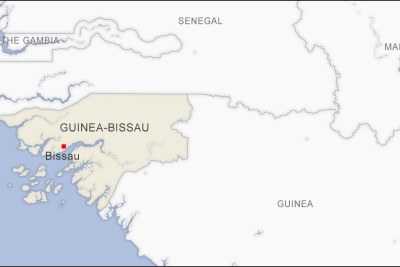
Guinea Bissau: A Coup or Not? - in 'Expanding Sahel Coup Belt'
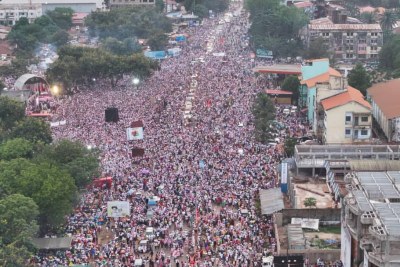
The coup in Guinea-Bissau "feels less like a classic overthrow and more like a political stunt wrapped in military theatre", writes Daniel T. Makokera in an AllAfrica guest column. There is "a growing belief that the crisis may have been an inside job," he says - "a carefully managed confrontation used to settle scores, sideline opponents, or reassert control over institutions slipping from the president's grip."
The country's electoral commission announced that it would be unable to publish the results after most of the vote count from the November 23 election were destroyed.
Whatever the reality of what happened, writes Professor John Joseph Chin in an analysis for The Conversation, "the events point to both a deepening regional crisis of democracy and the inability of Guinea-Bissau to escape its coup-prone history," addiong his view that "the country is caught in a classic coup trap whereby poverty and coups d'etat are mutually reinforcing." Events in Guinea-Bissau reflect a crisis across the Sahel, which he says has the global epicenter of both terrorism and coups - so much so that it is sometimes dubbed the Sahel "coup belt".
AllAfrica's peacebuilding reporting is supported by funding from the Carnegie Corporation of New York, a philanthropic organization.

Umaro Sissoco Embaló, the ousted president of Guinea-Bissau.
InFocus
-
Eight African countries are currently under military rule. This situation has recently intensified, with two successful coups and one foiled coup occurring within just eight weeks, a frequency some experts believe constitutes a new dimension even for Africa's recent history. A "coup belt" stretches across the continent, particularly concentrated in the predominantly French-speaking Sahel region.
Jakkie Cilliers, founder of the Institute for Security Studies (ISS),
Read more »
-
The country's National Electoral Commission has stated they were "unable to conclude the electoral process" days after the African Union (AU) issued a strong condemnation of the November 26 military coup hours before the results were supposed to be declared.
In a statement, the AU Commission Chairperson, Mahmoud Ali
Read more »
-
Guinea-Bissau's military has sworn in General Horta Nta Na Man as transitional president and announced a one-year interim administration. This comes a day after senior officers said they had deposed President Umaro Sissoco Embalo, halted the election process, and formed the "High Military Command for the Restoration of Order."
His main rival, Fernando Dias, claimed the
Read more »