How Will African Economies Fare in 2013?
Africa is likely to maintain its economic growth rate of five percent or more, according to estimates from the World Bank writes Chinua Akukwe of the Center for Global Health.
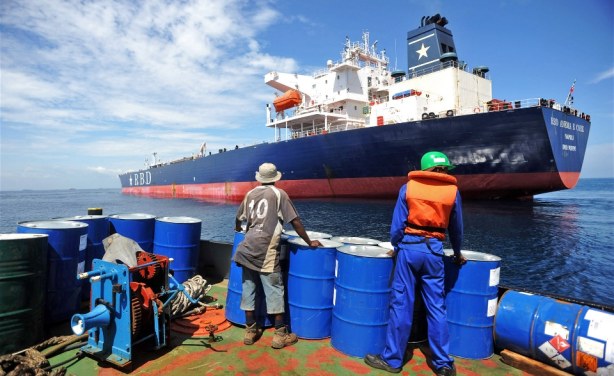
A cargo vessel leaving port.
-
Africa: Image and Reality - Wealth and Poverty Sit Side-By-Side (analysis)
African Arguments, 8 January 2013
The debate about the "image of Africa" seems to be reaching a consensus. The starving African child represents a reality that is rare and local. We must clear our minds of that ... read more »
-
Africa: Quizzing African GDP Stats
This is Africa, 17 December 2012
African GDP statistics tell us less than we would like to think about income, poverty and growth. read more »
-
Africa: How We Are Misled by Development Statistics and What to Do About It (analysis)
African Arguments, 20 November 2012
On November 5, 2010, Ghana Statistical Services announced that it was revising its GDP estimates upwards by over 60 percent, suggesting that that in the previous GDP estimates ... read more »
-
North Africa: Unleashing the Economic Potential of the Maghreb (document)
International Monetary Fund, 9 January 2013
By Christine Lagarde, Managing Director, International Monetary Fund read more »
InFocus
-
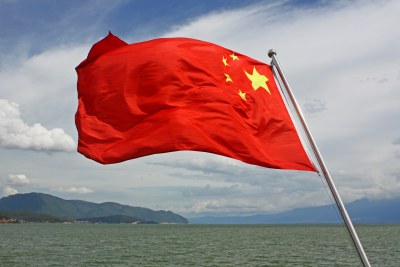
China has become Africa's largest financier of economy-boosting infrastructure, but will its economic model serve the continent's interests? Read more »
-
The State of East Africa 2012 report has revealed that the country has the fastest-growing economy in the region. Read more »
Comments Post a comment
My mothers neighbour is working part time and averaging $9000 a month. I'm a single mum and just got my first paycheck for $6546! I still can't believe it. I tried it out cause I got really desperate and now I couldn't be happier. Heres what I do, Great70.com
The poverty and hunger portrayed by the media about Africa is as a result of the unpleasant laws that are imposed on the continent's people. Adam Smith and David Ricardo in the seventeenth century made an important suggestion for international trade and comparative advantage respectively. Adam Smith opined, as division of labour is possible between men means it can also be possible between nations.The spoil of mercantilism drove them towards the quest for solution for the common good of man. However, Capitalism have managed to replace Feudalism. Free Trade as a tool used by Capitalists to penetrate nations has been successful. The US seized the adavantage immediately after the second world war to coerce Western Europe to it demand. Before the US the early industrialist nations, France and The UK, colonise almost half of the world with an agenda to sap the unsophisticated through their mercantilist ideology to satisfy their respective nations back home. Which means the system was created for Africans to work for the interest of their respective colonialists and not theirs. After the second world war the US came in the game and she eventually became the leader till now. Access to raw materials and markets are vital to mentain the system. Preventing the access to raw materials and market from other players was in part responsible for the second world war. With all the theoretical rhetorics and sneaky ideas about diminishing returns and value added will not solve the problems. Practical solution of the common good of men is the solution. The field is not level for Africa to compete in this milieu. Those calling Africa partners, should work very hard to replace this image with the better system that cares for the common good of men. The spirit of the time have brought China in the game and this is also real as China is in Africa to stay. Nobody want a third world war as development moves parallel with an increasing quest for raw materials and market by the so call developing nations.