-
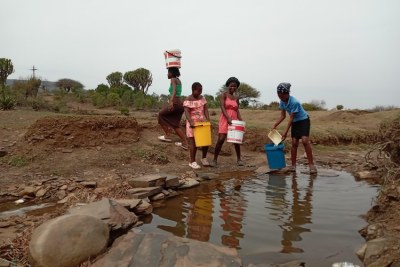
In South Africa, the water crisis is severe due to widespread infrastructure failures, inadequate government response, and a lack of clean water access for millions, which threatens public health and socioeconomic stability.
It is estimated that
Read more » -
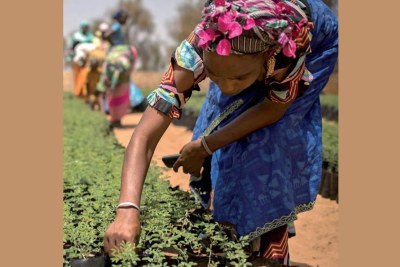
The United Nations Convention to Combat Desertification (UNCCD) and the Food and Agriculture Organization of the United Nations (FAO) have released a global report, which calls for better recognition and support for women-led efforts to protect vulnerable communities from the devastating effects of drought.
The report
Read more » -
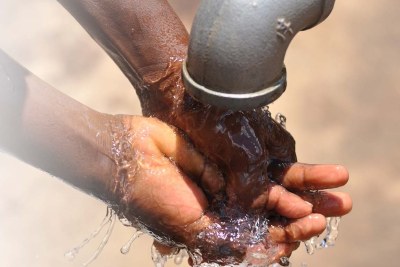
Today is Global Handwashing Day, dedicated to raising public awareness and understanding of the importance of handwashing with soap as a way to prevent disease. A person is at risk of contracting many diseases if they do not wash their hands with soap and clean, flowing water.
The theme for this year is 'Why Are Clean Hands Still Important?', which is critical in preventing outbreaks and pandemics, especially in regions
Read more » -
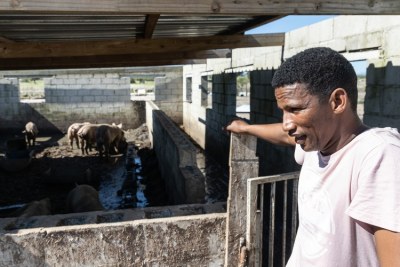
A parliamentary inquiry has established that the Department of Water and Sanitation has a severe shortage of dam inspectors.
Read more »
This follows the collapse of three dams in the Western Cape in August, which left more than a hundred people homeless and destroyed livelihoods in the area. Although dam owners must submit safety reports by professional inspectors, compliance has been low. Of the 286 dams owned by the water department, only 41% are reported to be compliant. -
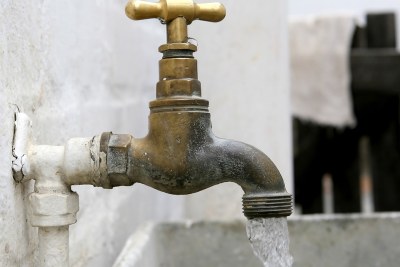
As Johannesburg grapples with a 10-day water outage affecting numerous suburbs, concerns are escalating over the city's water supply stability.
Johannesburg Mayor Kabelo Gwamanda is set for crisis talks amid reports that some residents remain without water, prompting fears of a potential water supply catastrophe. While Johannesburg Water claims that most affected reservoirs have recovered, ongoing issues in specific areas are attributed to heightened demand exacerbated by high
Read more » -
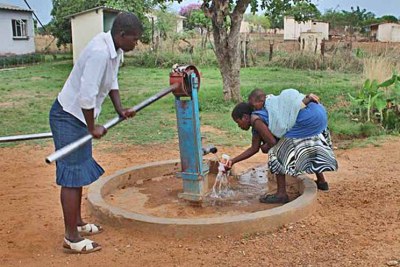
The Upper Manyame Sub-Catchment Council (UMSCC) in Zimbabwe has identified the presence of Escherichia coli (E.coli), a cholera-causing bacteria, in boreholes across 14 residential areas of Harare. This discovery comes amid a cholera outbreak in Zimbabwe, with more than 7,000 cases recorded in 2024 thus far.
The boreholes in both upmarket and cholera-prone areas pose a health risk to the hundreds of thousands relying on the water because council water is unsafe. UMSCC has advised residents
Read more » -
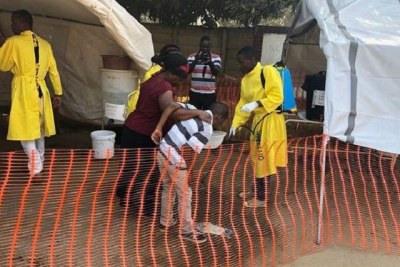
This week marks a year since a cholera outbreak was first detected in Zimbabwe, with the health ministry official saying the fatality rate is declining, but the confirmed cases continue to grow while the death toll stands at more than 450 people.
In January, the Africa CDC said cholera cases reached 11,000, and 448 people died since the outbreak started in October 2023, while in Mozambique, a wave of
Read more » -
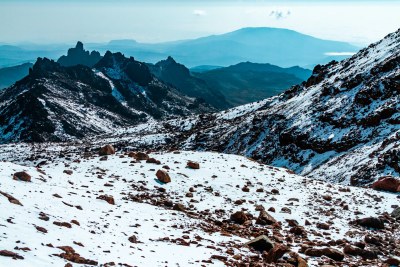
Natural water towers play a significant role in shaping both global and local climates. They are the origin of the majority of rivers. They support biodiversity and are refuges and bridges for many species, writes Mauro Lourenço for African Arguments.
In the next decade, climate change is going to affect drinking water for people, for agriculture, for industry, and for nature and ecosystems. In Africa's water towers, we're talking about the water security
Read more » -
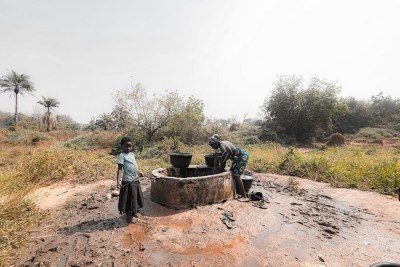
Access to clean water, sanitation, and hygiene is a critical concern in remote communities like Ubo, also known as Simami, in the Rubochi Ward of the Federal Capital Territory in Nigeria, reports Ohanu Dabri Olohije for Nigeria Health Watch. With a population of just over a thousand, primarily comprising Gbagyi and Bassa tribes, the community faces significant challenges in obtaining clean water,
Read more » -
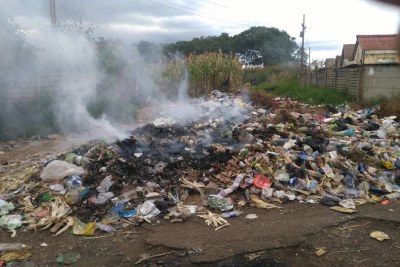
The government has embarked on an operation code-named "Chenesa Harare" that will see garbage collected from the city while the treasury will provide funds to procure chemicals for water purification.
As of January 5, 2024, the government had recorded 15 571 suspected cholera cases with 1871 confirmed cases; 67 deaths have been confirmed with 280 more suspected deaths recorded while 15036 recoveries
Read more »